New braided line
Stainless steel, sized for your toilet
When a supply line fails, water hits the floor in seconds. Our Toilet Water Supply Line Replacement Littleton CO service swaps corroded, brittle, or burst lines for a new braided stainless steel supply line and a fresh angle stop, usually in under two hours. We handle homes and businesses across Arapahoe County, from Historic Downtown Littleton to Sterling Ranch. Call (720) 894-1003 and we will shut the water off, make the swap, and pressure-test before we leave.
Every job includes the parts and labor to remove the old line and install a new one, plus a pressure test. If we find a worn angle stop, cracked fill valve, or loose closet bolt, we tell you before we touch it and quote the add-on separately.
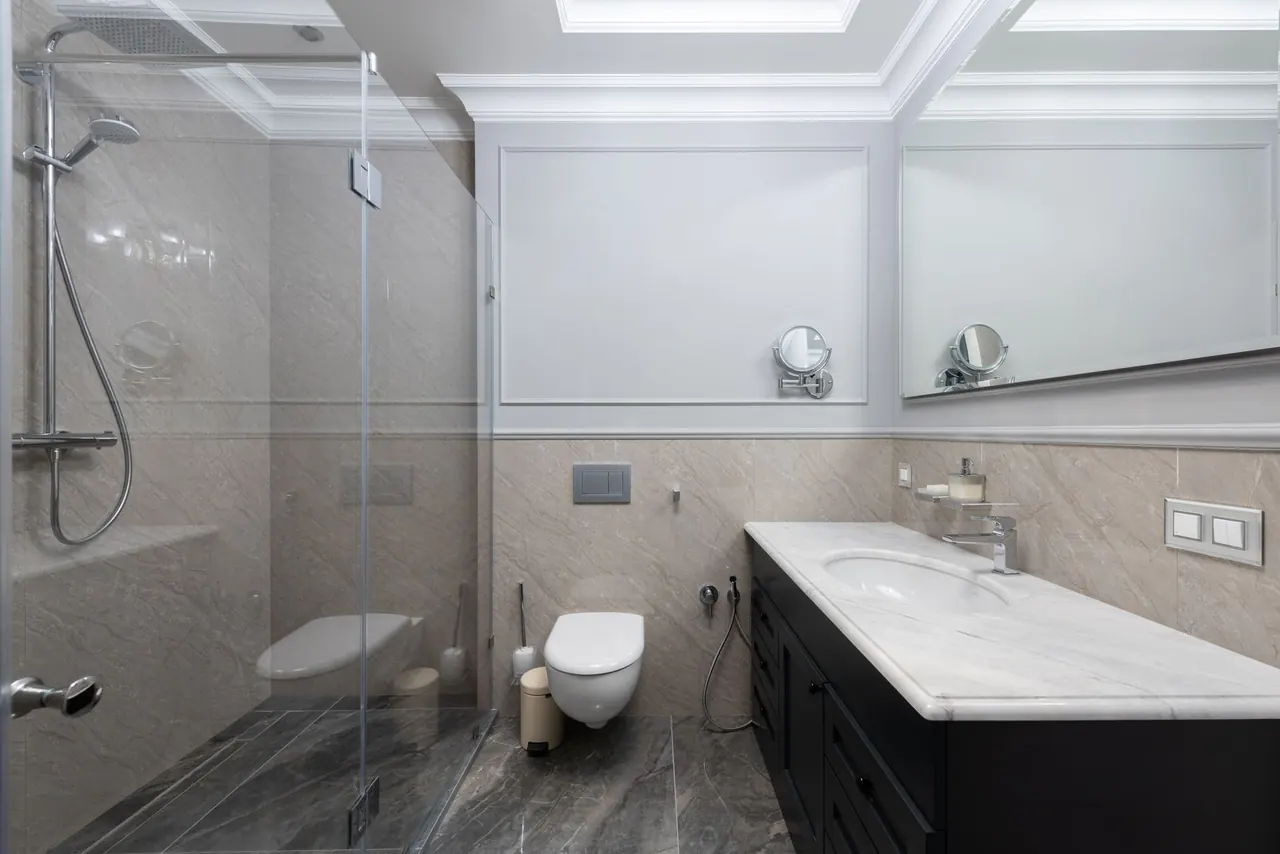
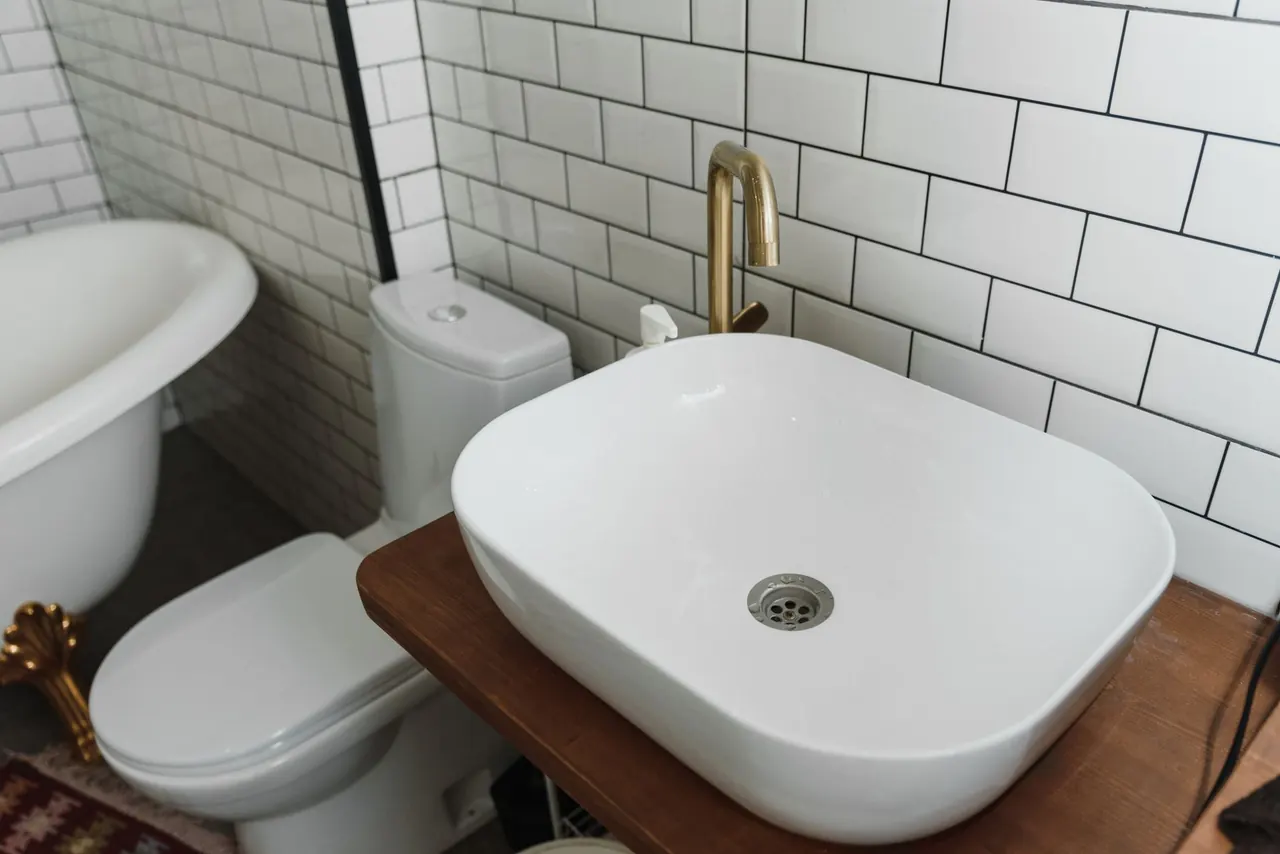
We replace toilet supply lines in houses, condos, and apartments across Littleton. You get a new braided line, a tested angle stop, and a dry floor before we pack up.
Restaurants, offices, and retail restrooms need supply lines that hold up to daily traffic. We replace lines and stops on a schedule so a failed connection never closes your bathroom.
Toilet Water Supply Line Replacement Littleton CO is a plumbing repair that removes the old water connector between the shut-off valve and the toilet fill valve and installs a new braided stainless steel supply line with fresh washers and a code-correct connection. The line carries pressurized water at 40 to 80 psi, so a cracked nut or brittle poly line can dump gallons onto your floor in minutes. We shut the angle stop, drain the tank, pull the old line, inspect the fill valve and shut-off valve threads, then set the new line and test at full pressure.
Most Littleton calls start the same way: a homeowner notices water pooling around the base of the toilet or a whistling fill valve that will not quit. Hard water mineral buildup along the Front Range eats through rubber and plastic connectors faster than most people expect, and a corroded toilet water line Littleton CO is one of the most common failures we see. If you search toilet water supply line replacement near me Littleton CO, we can usually be on site the same day and have the line swapped before dinner.
We swap the line, test the valve, and leave the floor dry.
Every call follows the same five steps. You get a clear scope, a clean work area, and a tested line before we pack up.
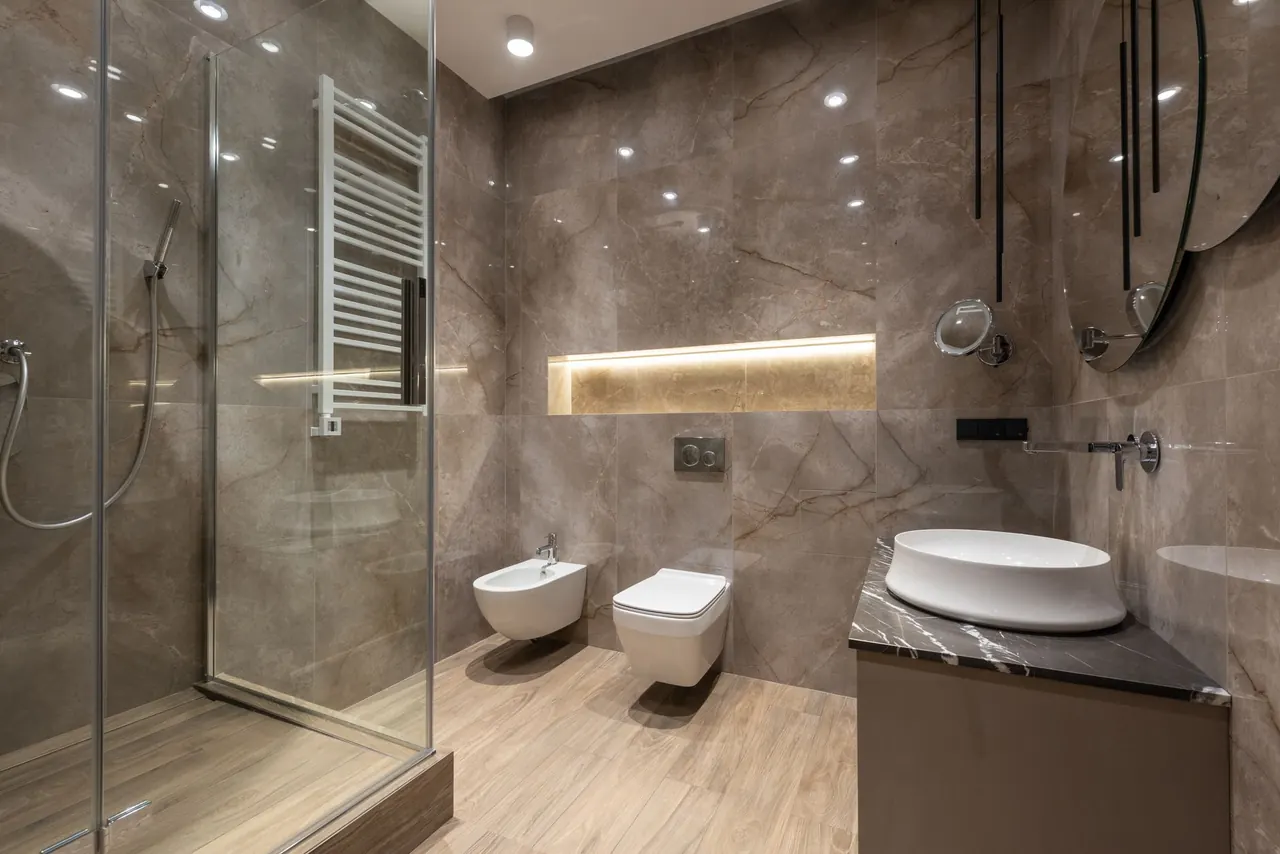
You describe what you see: water at the base, a dripping nut, or a line that will not stop weeping. We ask about the toilet brand, the shut-off valve type, and whether the angle stop still turns. That tells us what parts to bring so we are not making a second trip for a $6 fitting.
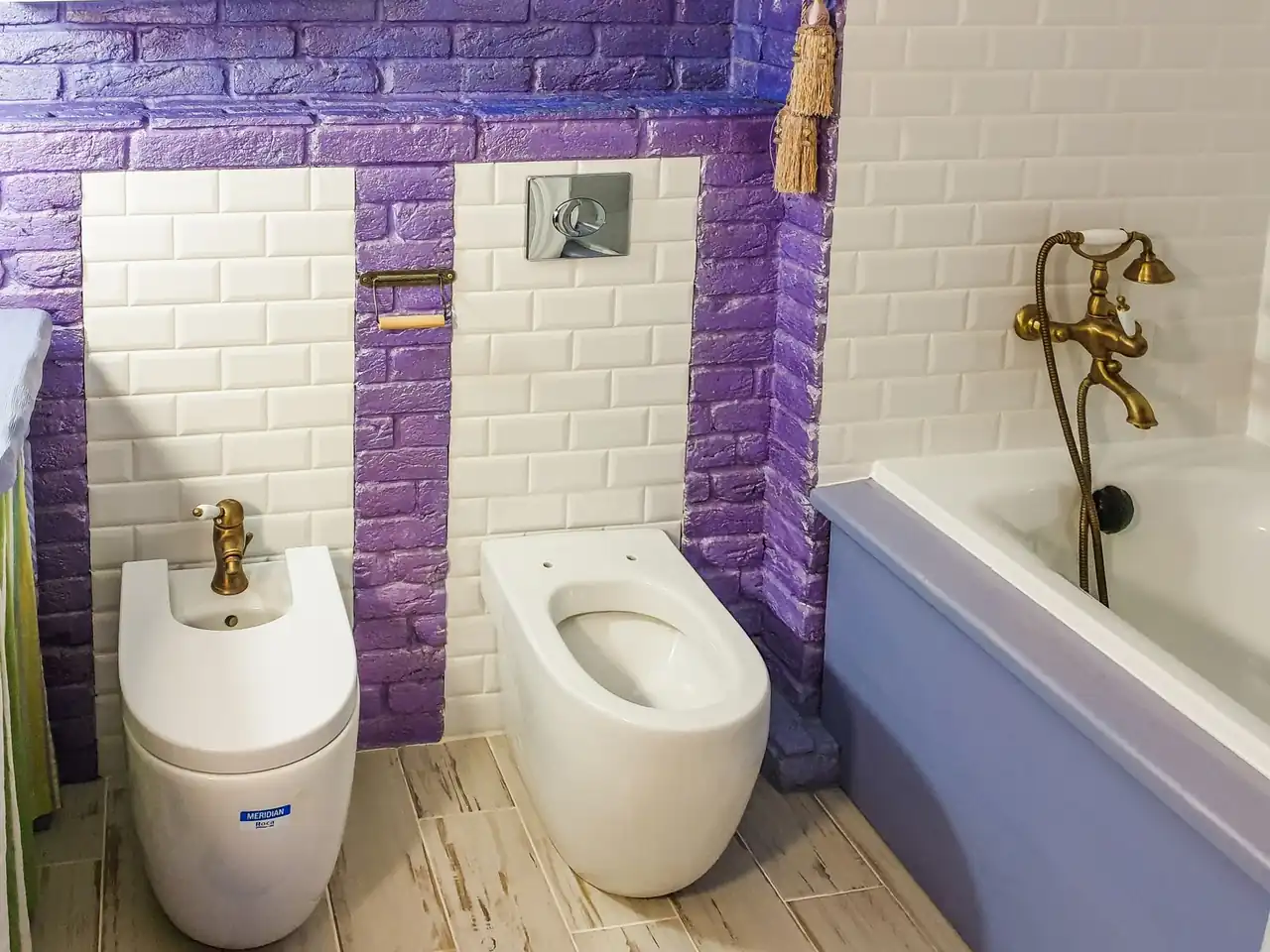
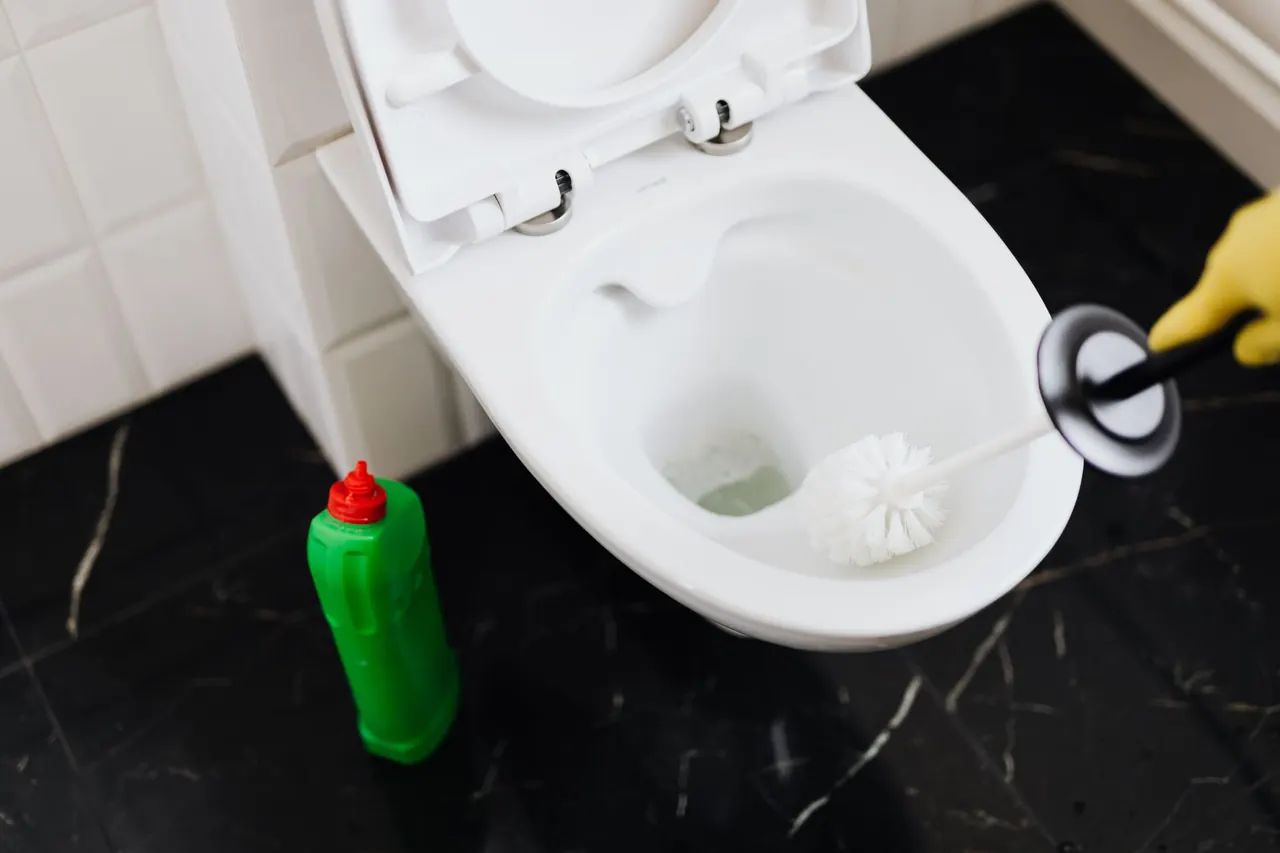
We close the angle stop, flush the tank, and sponge out the remaining water. A wet/dry shop vacuum clears the bowl and any standing water on the floor. If the shut-off valve is frozen or stripped, we replace it during the same visit instead of leaving you without a working stop.
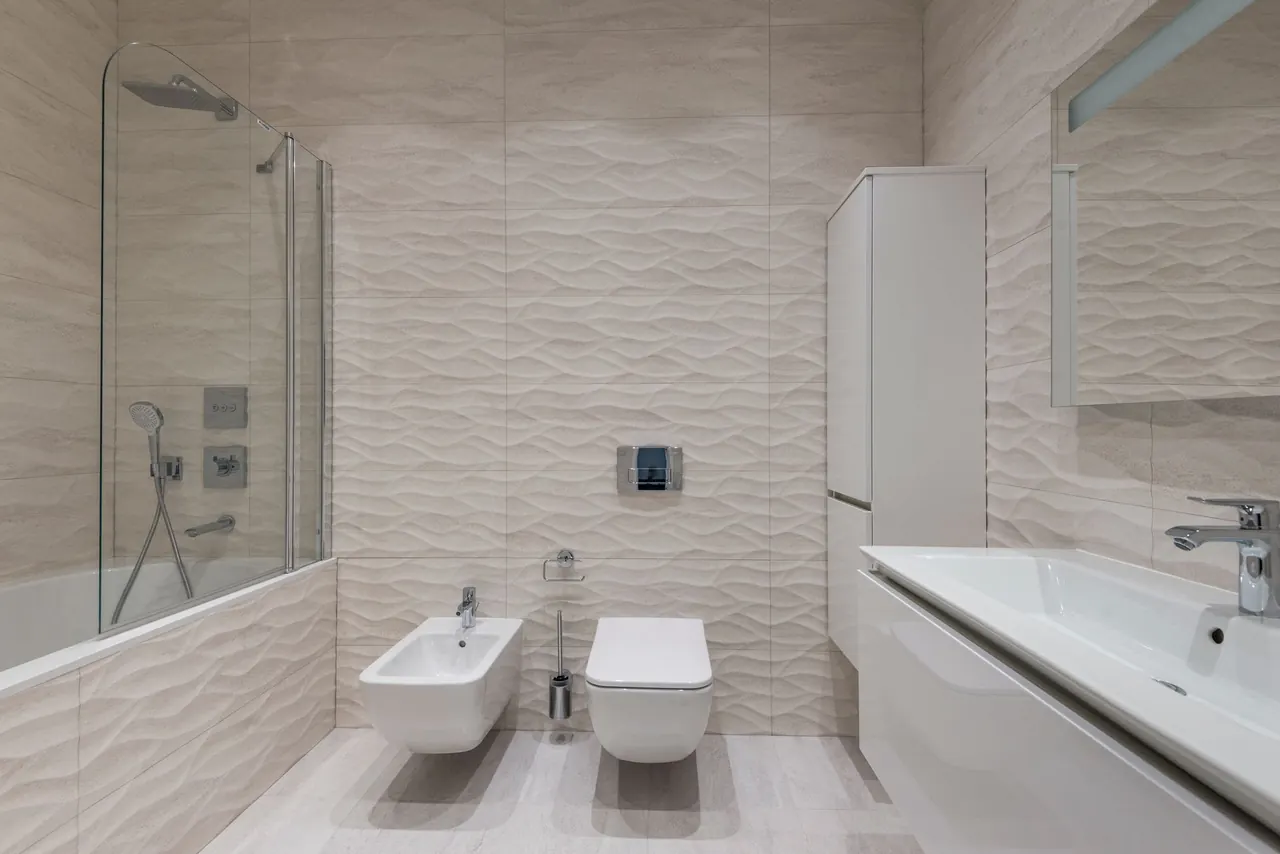
We back the compression nut off the fill valve with an adjustable wrench and a plumber's wrench, then pull the old line and inspect the threads on both ends. Corroded fittings get cleaned or replaced. We check the closet bolts and flange for movement while the tank is loose.
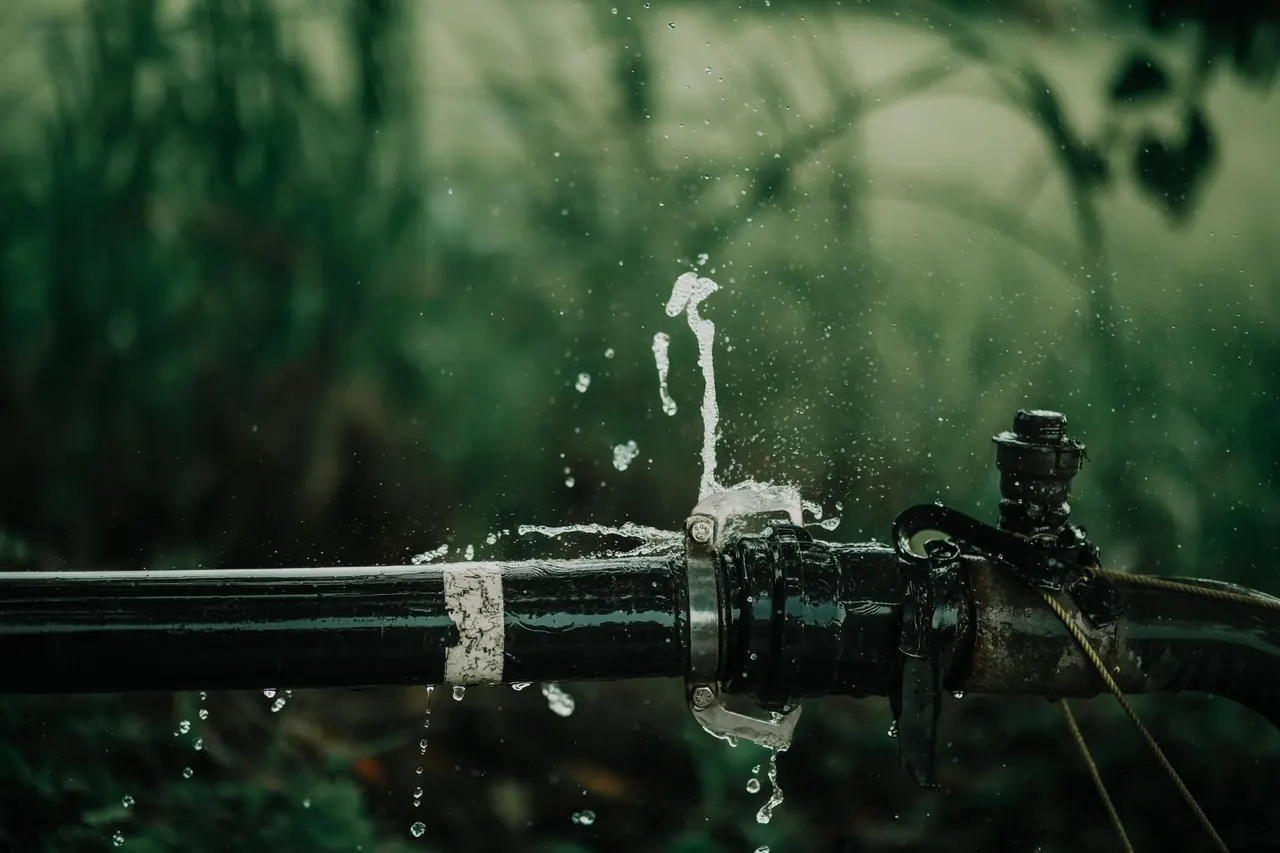
A new braided stainless steel supply line goes in with fresh rubber washers and a wrap of Teflon tape on the threads. We hand-tighten, then snug with a wrench, never over-torquing the plastic fill valve shank. The line is routed so it does not kink or rub against the tank.
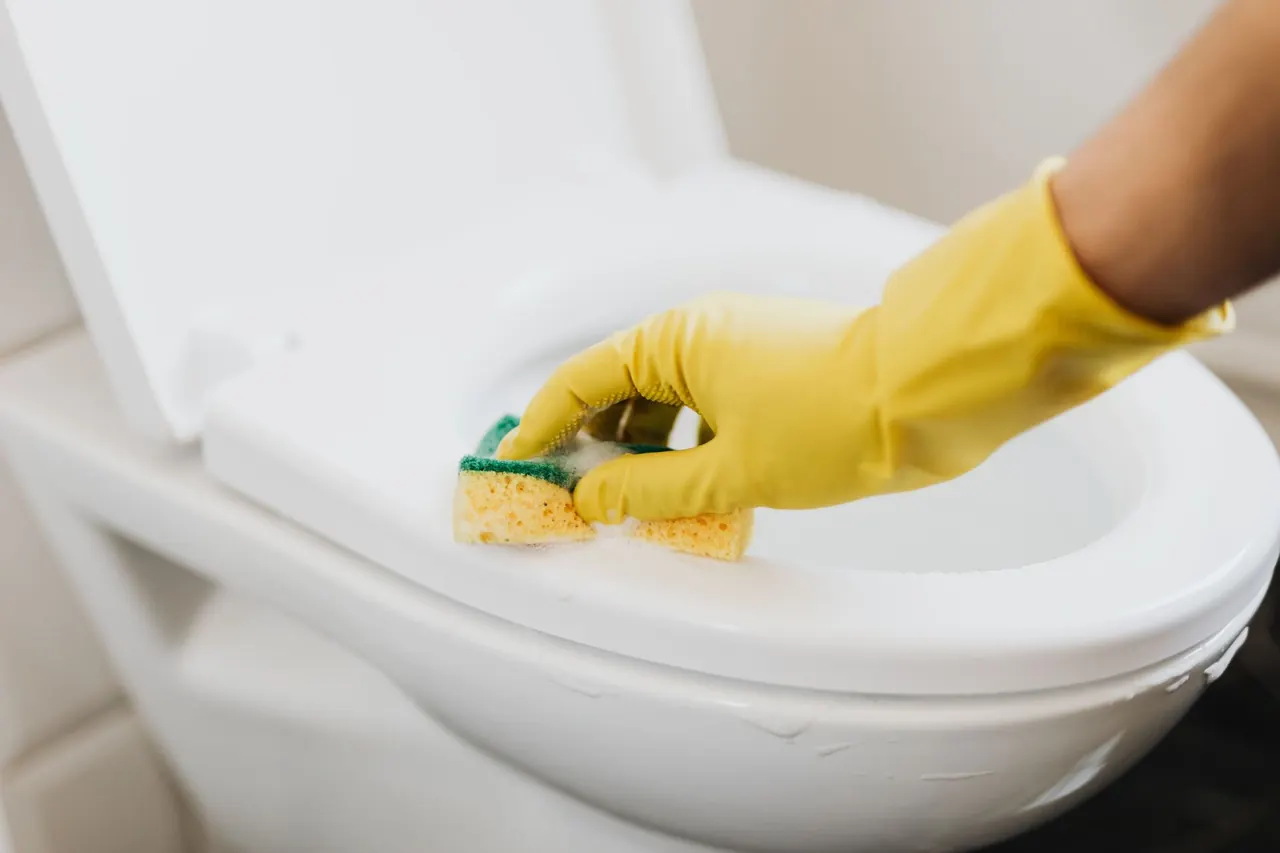
We open the angle stop, fill the tank, and watch the connection through two full flush cycles. A dry paper towel under the nut confirms no weep. We wipe down the bowl, tank, and floor, then walk you through what we found so you know the line is holding.
Used to back the compression nut off the fill valve shank and snug the new line without over-torquing the plastic threads. Two wrench sizes cover almost every residential toilet we see.
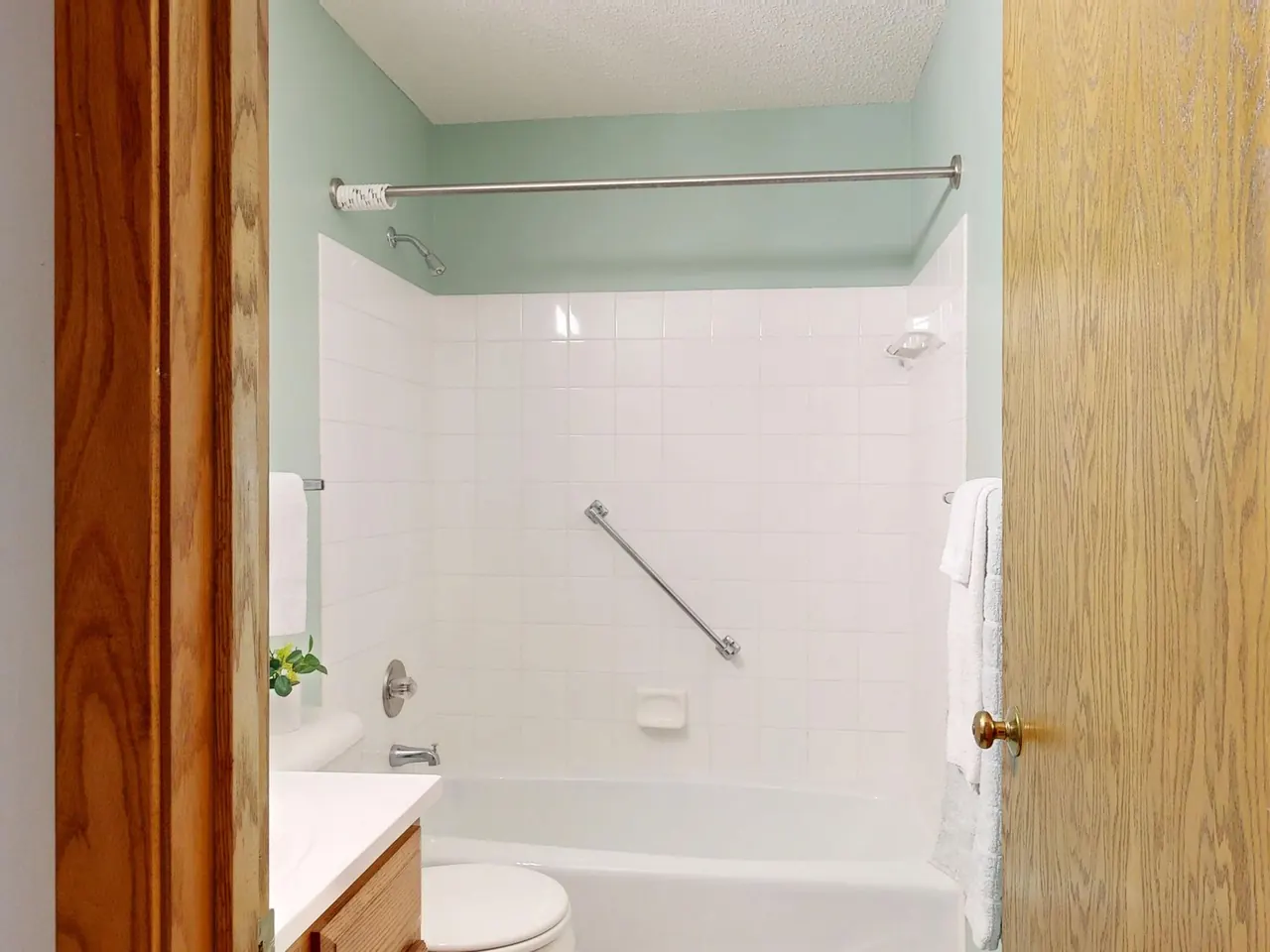
Clears standing water from the bowl and floor after a leak or burst line. It also lets us dry the area before we test the new connection, so a weep is easy to spot.
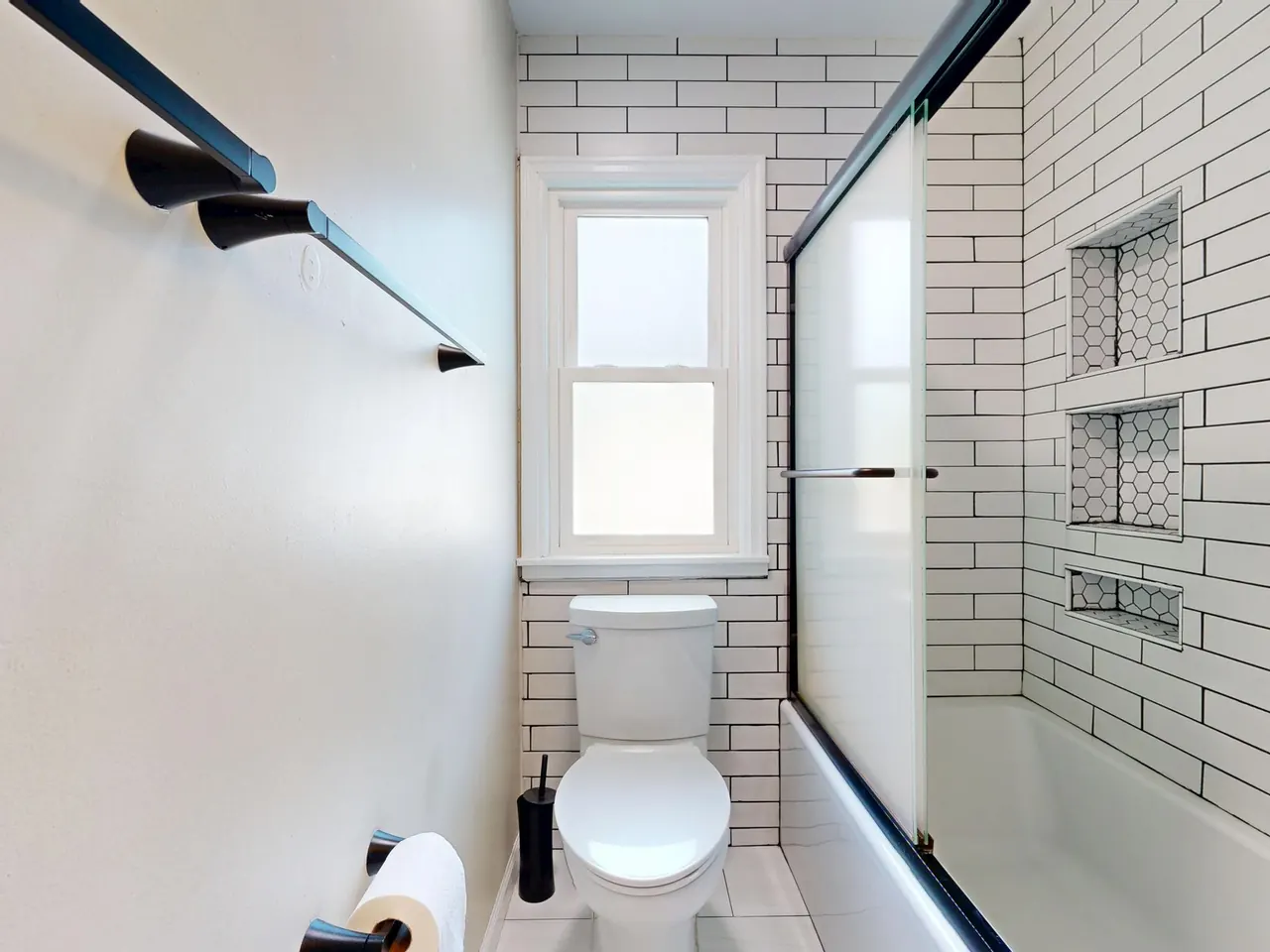
Slides behind the toilet to check the line routing, the angle stop, and the fill valve shank when the space is tight. It helps us confirm the line is not kinked against the tank or wall.
The replacement part itself. Braided stainless steel resists the mineral buildup and pressure cycling that split the old rubber or poly line, and it is rated for household water pressure.
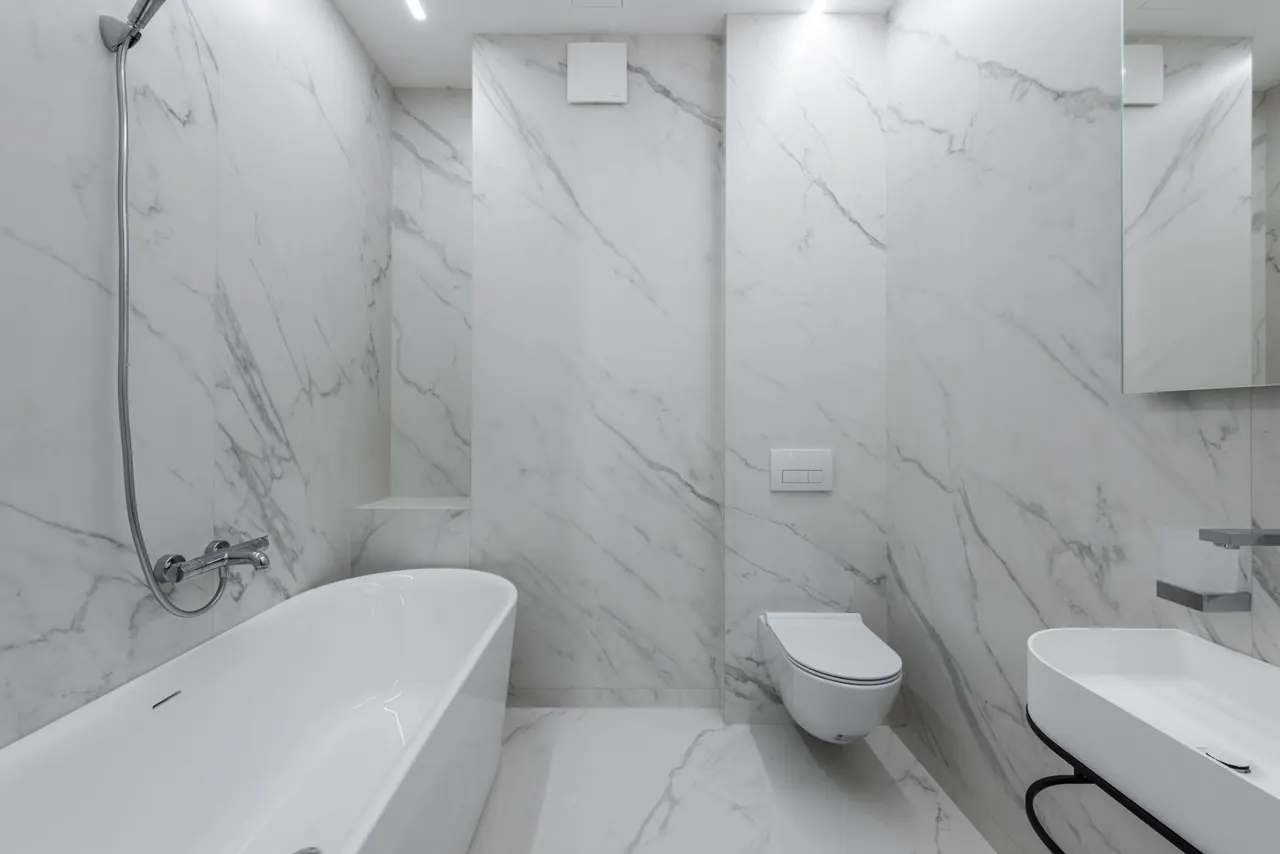
Replaces frozen or stripped shut-off valves. A quarter-turn stop closes with a 90-degree turn, so you can shut the water off fast if a line ever fails again.
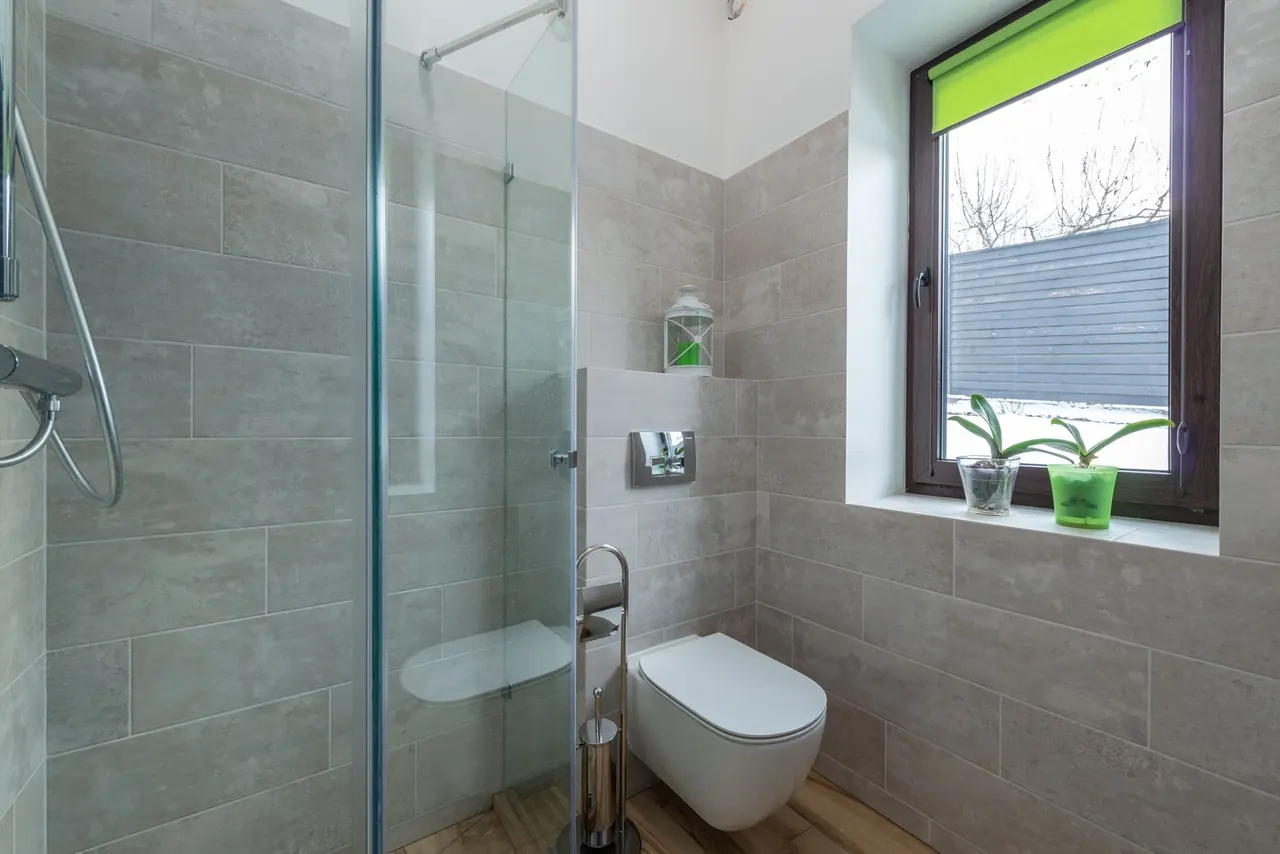
Seal the threaded connections on both ends of the line. Fresh washers and a proper tape wrap prevent the slow weep that corrodes fittings over time.
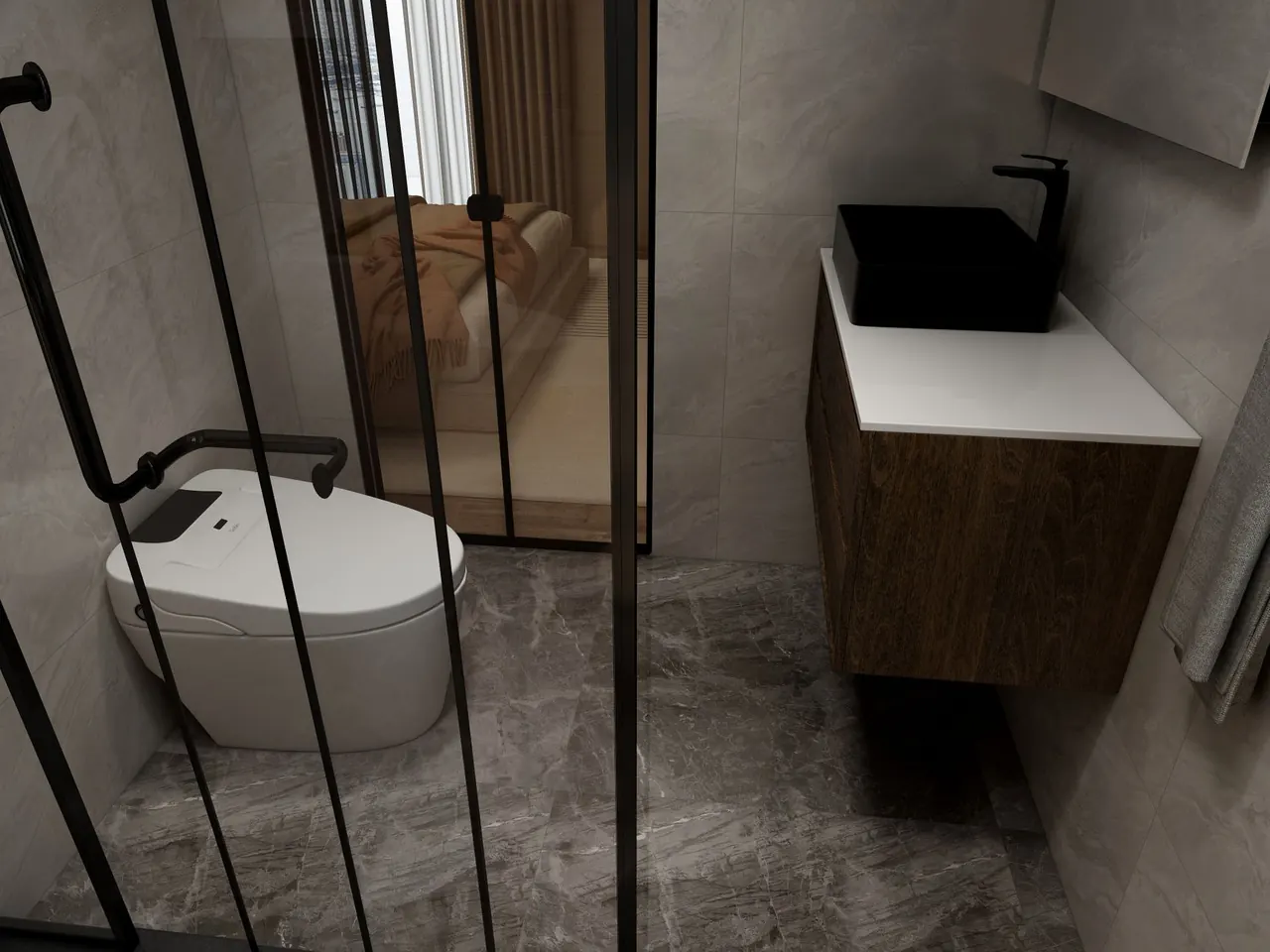
We make potable water connections to UPC and IPC requirements, including proper washer seating, no cross-threading, and correct support for the line. That keeps the repair code-correct and inspectable.
After the new line is installed, we open the angle stop and run two full flush cycles while watching the connection with a dry paper towel. A weep shows up immediately, so we never leave a connection we have not proven.
We replace the supply line while the tank is drained and the toilet is off the flange. The line is right there, and a new braided line costs far less than a second service call later. One visit covers the wax ring, flange check, and a new supply line. You get a dry floor and a line that will not need attention for years.
We inspect the line, the angle stop, and the fill valve. If the line is stiff or the nut is crusted, we swap it for braided stainless steel and replace the stop if it will not turn freely. You remove the most common cause of sudden bathroom flooding without replacing the whole toilet.
We shut the water, pull the line, and check the fill valve shank for cracks. A drip that comes back usually means the washer or the shank is damaged, so we replace the line and the valve if needed. The drip stops for good, and you avoid the slow subfloor damage that a recurring weep causes.
We arrive with braided lines, angle stops, and a wet/dry shop vacuum. We clear the standing water, replace the line and stop, and pressure-test the new connection through two flush cycles. Your toilet is back in service the same day, and the new line and valve are rated for full household pressure.
Littleton sits on the Front Range, and the water here carries enough calcium and magnesium to crust a supply line nut within a few years. Older homes around Historic Downtown Littleton and Leawood often still have the original poly line and a shut-off valve that has not been turned since the 1990s. We see the same pattern in Columbine Hills and Heritage: a slow weep at the nut, mineral buildup on the fill valve, and a toilet that whistles on refill. Winter adds another wrinkle. Pipes in exterior walls can freeze during a hard cold snap, and when they thaw, the supply line is often the first thing to split. That is why we test every angle stop before we install a new line and why we keep quarter-turn stops on the truck. If you need toilet water line leaking Littleton handled before it reaches the subfloor, call (720) 894-1003 and we will schedule a same-day visit across ZIP codes 80120, 80122, 80123, 80128, 80160, and 80165.
A homeowner noticed water spreading from under the toilet onto the tile. The original poly supply line had split at the ferrule, and the angle stop was frozen open. The floor was wet across a 3-foot area.
We shut the water at the main, replaced the angle stop with a quarter-turn valve, installed a braided stainless steel supply line, and pressure-tested through two flushes. Total time on site was 75 minutes, and the floor was dry before we left.
Check the line nut for crust every six months. If it feels stiff or shows mineral buildup, replace the line before it splits.
A toilet whistled for 20 seconds after every flush and the tank refilled slowly. The supply line was narrowed by mineral buildup, and the fill valve shank had a hairline crack near the nut.
We replaced the supply line and the fill valve with a Fluidmaster unit, then tested at full pressure. The whistle stopped, the tank refilled in about 30 seconds, and the connection held dry through three cycles.
Run a flush and listen for whistling once a month. A quiet refill means the line and valve are still flowing clean.
A supply line burst while the family was at work, releasing water onto the bathroom floor and through the ceiling below. They shut the water off at the wall and called us the same afternoon.
We vacuumed the standing water, replaced the line and the stripped angle stop, and pressure-tested the new connection. The toilet was back in service in under two hours, and the ceiling stain was limited to a small area.
Replace braided lines every 5 to 8 years and rubber lines every 3 to 5. A $15 part on a schedule beats a flooded ceiling.
Most supply line failures announce themselves before they flood. Here are the four we see most often in Littleton homes and what happens if you wait.
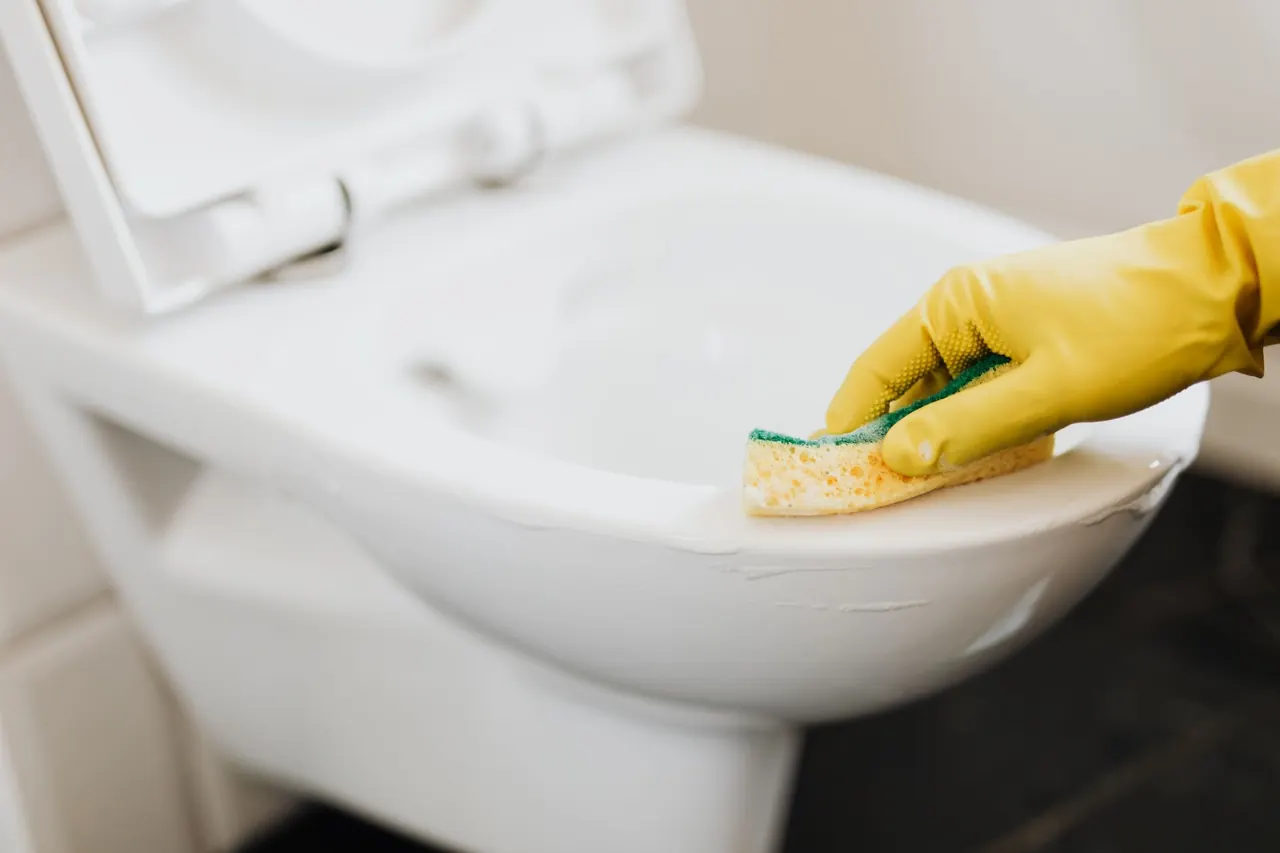
We shut the angle stop, dry the area, and trace the leak to the line, tank bolts, or wax ring. If the supply line is the source, we replace it with a braided stainless steel line and pressure-test the connection through two flush cycles. Standing water soaks the subfloor, warps baseboards, and can stain the ceiling below within a day. If the line is the source, it will keep weeping until the valve is closed.
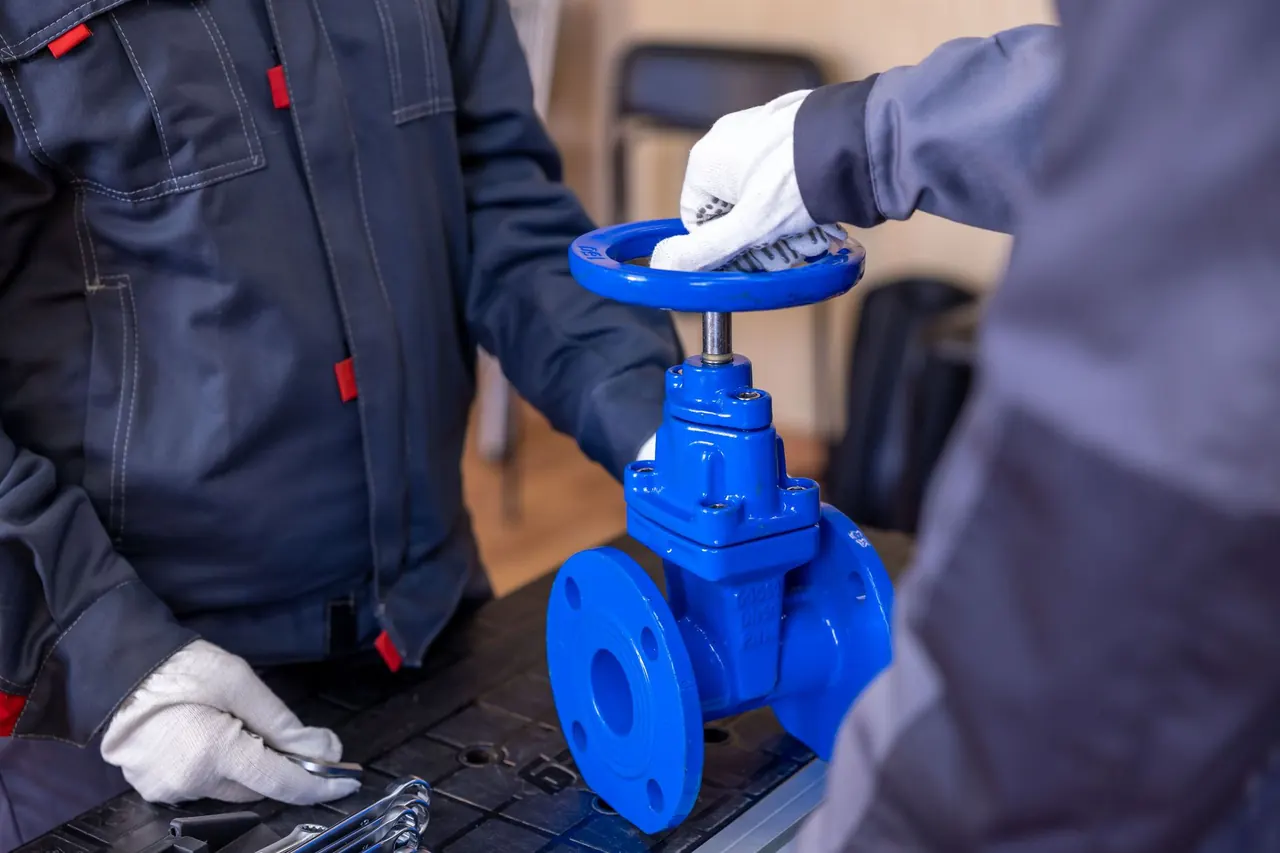
We replace the line and clean or replace the angle stop threads. A new braided line with fresh washers handles Littleton's hard water far better than the old rubber or poly connector, and we test it at full household pressure. Mineral crust on the nut means the line is already degrading inside. The next stage is a pinhole spray or a split at the ferrule, which can release gallons behind the toilet.
We check the line for internal mineral buildup and the fill valve for wear. Replacing the line restores full flow, and if the fill valve is also tired, we swap it for a Fluidmaster or Korky valve during the same visit. A narrowed supply line starves the fill valve, which makes it whistle and refill slowly. That leads to phantom flushes, higher water bills, and a toilet that never quite finishes a cycle.
We replace frozen or stripped angle stops with quarter-turn valves, then install the new braided supply line and test both. You end up with a stop you can actually turn and a line that holds pressure. If the angle stop will not close, you cannot shut the water off during a leak. That turns a $15 part failure into a flooded bathroom and an emergency call.
A pinhole leak in a braided supply line can spray 1 to 3 gallons per minute behind the toilet. Replacing the line before it bursts protects subfloor, baseboards, and the ceiling below. We also check the wax ring and flange while the tank is drained, so you are not paying for a second visit.
Mineral buildup inside an old line narrows the flow path and slows the refill. A new braided stainless steel supply line with a clean 3/8-inch compression fitting restores the fill rate your toilet was designed for, which cuts phantom flushes and running toilet complaints.
Poly and old rubber lines get brittle with age and can split without warning. A burst line can release 20 to 40 gallons before anyone notices. We replace the line and the angle stop together so both sides of the connection are new and rated for household pressure.
A worn supply line washer can drip onto the fill valve and trip lever, causing corrosion that spreads to the tank bolts. Swapping the line and inspecting the Fluidmaster or Korky fill valve at the same time keeps the whole refill assembly working like it should.
Clear records you can keep and share.
Stainless steel, sized for your toilet
Two flush cycles, dry paper towel check
Tank sponged, floor wiped before we leave
A supply line is a wear part, not a permanent fixture. Braided stainless steel lasts longer than rubber or poly, but hard water still shortens its life.
Braided stainless steel resists mineral buildup and pressure cycling far better than rubber or poly. If your line is stiff or crusted, replace it before it splits.
A new line on a frozen or weeping angle stop is a leak waiting to happen. We test the stop first and replace it if it will not close cleanly.
A slow weep at the nut soaks the subfloor over weeks. If you see crust or a damp spot, shut the valve and call before the floor is damaged.
Outside these areas? Call and ask, we may still be able to help. (720) 894-1003
Most Littleton jobs run $150 to $280 in 2026 for a new braided stainless steel supply line, fresh washers, and a pressure test. If the angle stop is frozen or the fill valve needs replacing, expect $220 to $380. We quote the full scope before we start, so the number you hear on the phone is the number on the invoice.
Replace braided stainless steel lines every 5 to 8 years and rubber or poly lines every 3 to 5 years. Littleton's hard water speeds up mineral buildup inside the line, so if yours is older than that or feels stiff, swap it. A $15 part is cheaper than a flooded floor.
Yes. A burst line can release 20 to 40 gallons before you shut the water off, which is enough to soak subfloor, warp baseboards, and stain the ceiling below. We see it most in older homes near Historic Downtown Littleton. Replacing the line and angle stop together is the cheapest insurance against that kind of damage.
We do. Calls booked before noon are usually handled the same day across ZIP codes 80120, 80122, 80123, 80128, 80160, and 80165. We carry braided lines, washers, and angle stops on every truck, so a standard swap takes 45 to 90 minutes. Call (720) 894-1003 and we will give you a window.
One call stops the leak. We carry braided stainless steel lines, angle stops, and washers on every truck, and we pressure-test every connection before we leave. Call (720) 894-1003 and we will schedule your Toilet Water Supply Line Replacement Littleton CO visit, usually the same day.
Call (720) 894-1003 or email info@toiletrepairpros.com to schedule service. We answer the phone during business hours and respond to after-hours emergency calls for active leaks and backups. Most repairs are scheduled same day or next day.