Written summary
What we replaced and why
When your toilet runs constantly or the tank never fills right, Toilet Fill Valve Replacement Littleton CO from our team stops the waste fast. We stock Fluidmaster, Korky, and OEM valves for Kohler, TOTO, and American Standard, so most jobs are done in one visit. Homeowners, landlords, and property managers across Arapahoe County call us for honest pricing and same-day service.
Every fill valve replacement includes the parts, labor, calibration, and testing needed to get your toilet working correctly. We also inspect related components while the tank is open. If we find something that needs attention, we tell you before we proceed.
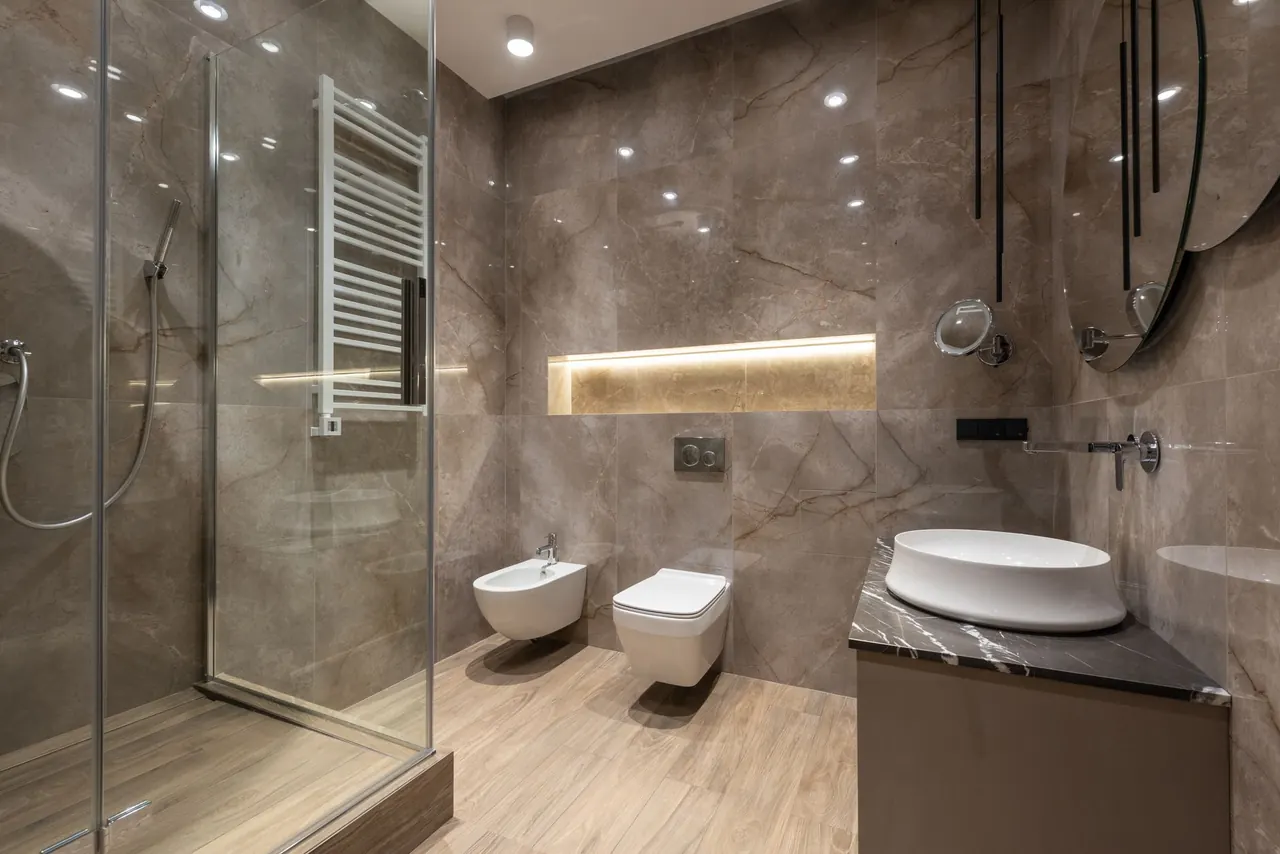
We replace failed fill valves in houses, condos, and apartments across Littleton. Most jobs take under 90 minutes and leave you with a toilet that refills correctly and quietly.
We service commercial restrooms, restaurants, and offices with flushometer and tank-style fixtures. We schedule around your business hours to keep downtime short.
Toilet Fill Valve Replacement Littleton CO is a plumbing repair that swaps the tank's fill valve, the part that refills the bowl after every flush, when it fails or loses calibration. The valve controls water level, refill rate, and shutoff. When it wears out, you get a whistling fill valve, a toilet running constantly, or a tank that never reaches the right level. We shut off the angle stop, drain the tank, pull the old valve, and install a WaterSense-compatible replacement matched to your toilet's make and model.
In Littleton, hard water mineral buildup is the number one killer of fill valves. Homes in Ken Caryl Ranch and Columbine Hills on older municipal lines see scale clog the diaphragm and float cup within three to five years. If your toilet tank fills slowly, runs between flushes, or you hear water trickling at 2 a.m., that is a failing valve. We also handle toilet fill valve repair Littleton calls for rentals and commercial restrooms where downtime costs money.
We replace the fill valve, set the water level, and test three full cycles before we leave.
Every job follows the same five steps. You know what is happening, what it costs, and when we leave. Most residential replacements take 45 to 90 minutes.
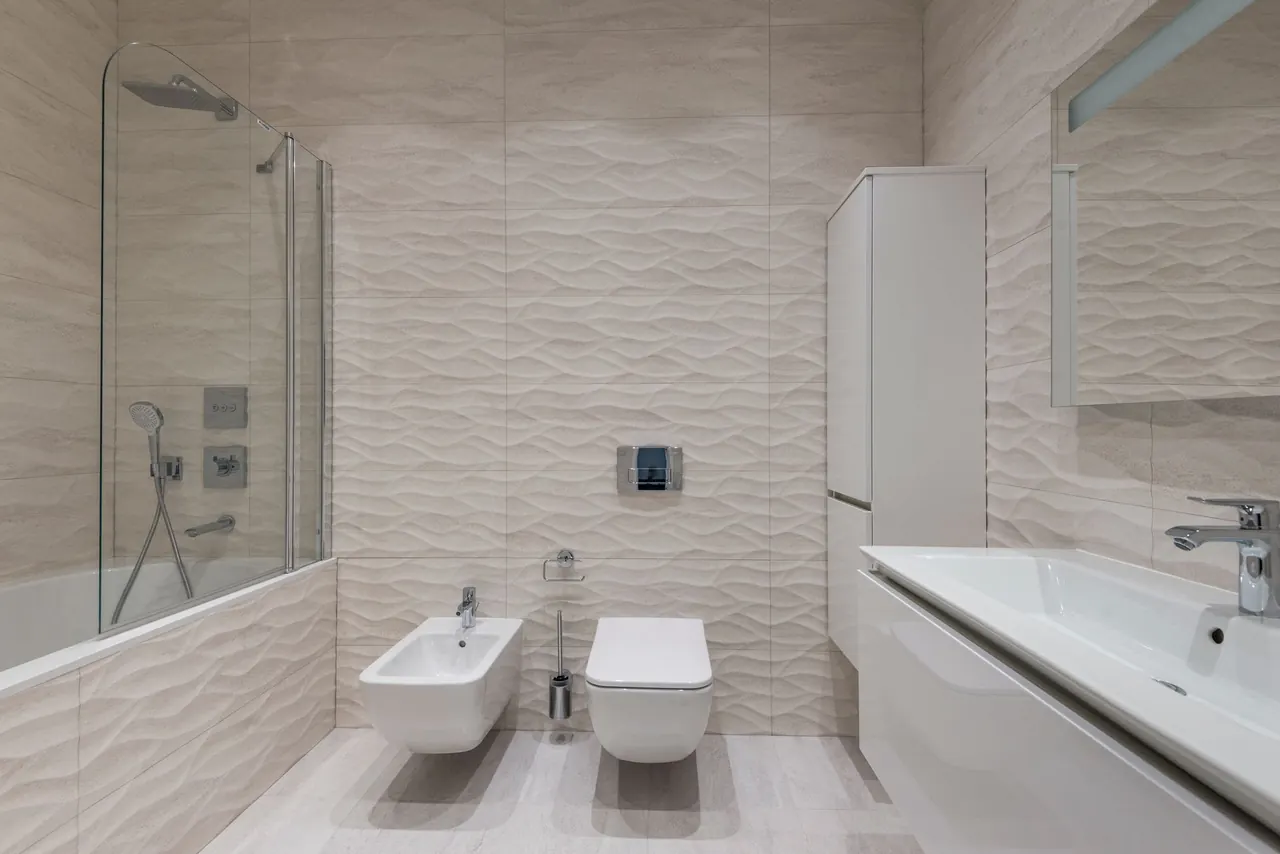
We pull the tank lid, check the fill valve, flapper, and flush valve, and confirm the actual failure. Sometimes the valve is fine and the flapper is the culprit. We test the water level against the manufacturer's mark and check the shut-off valve for corrosion. You get a straight answer before any work starts.

We close the angle stop, flush the toilet to empty the tank, and sponge out the remaining water. A towel goes down around the base. If the shut-off valve is frozen or weeping, we handle that too. No water on your floor, no surprises halfway through the job.
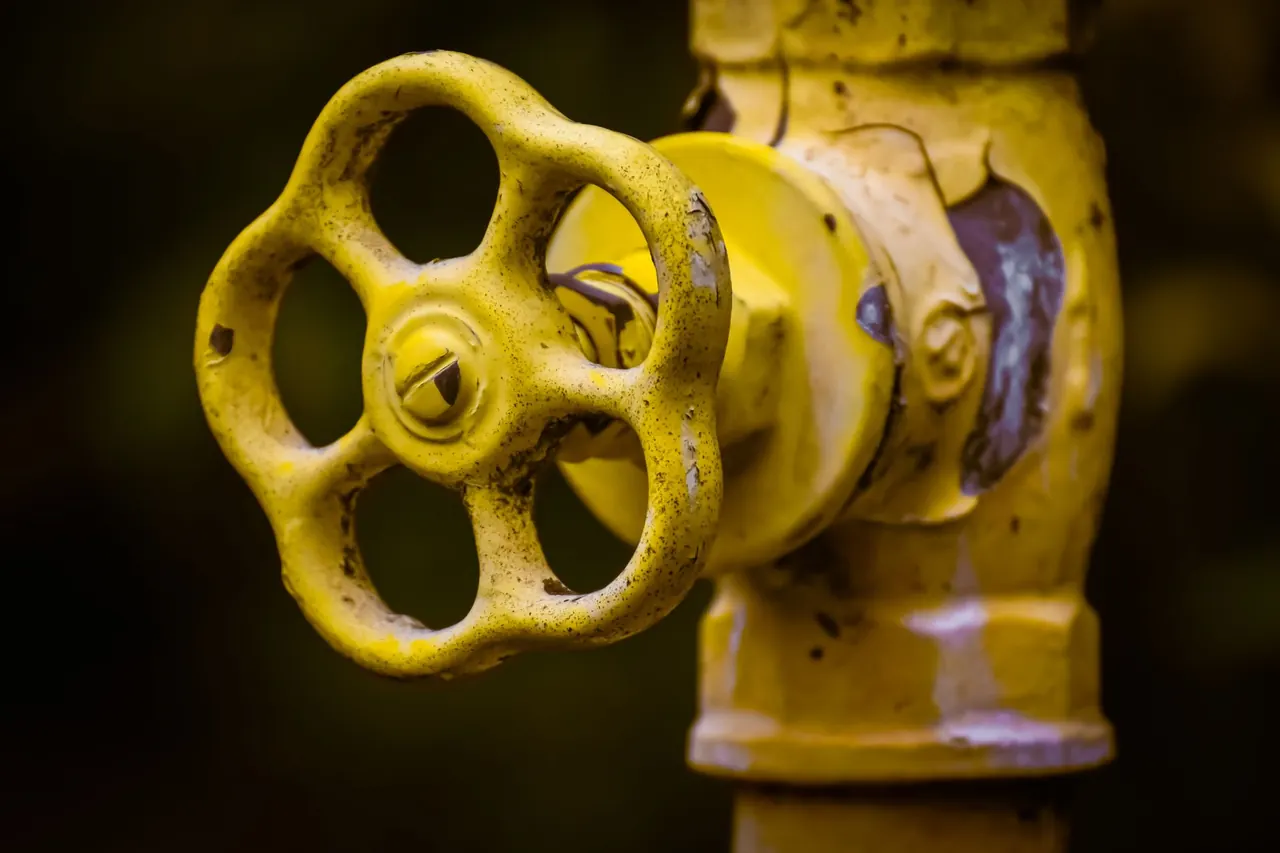
We disconnect the braided stainless steel supply line, loosen the lock nut with an adjustable wrench, and lift the old fill valve out. We inspect the tank-to-bowl gasket and the inside of the tank for cracks or heavy scale. If the supply line is brittle, we swap it while we have it apart.
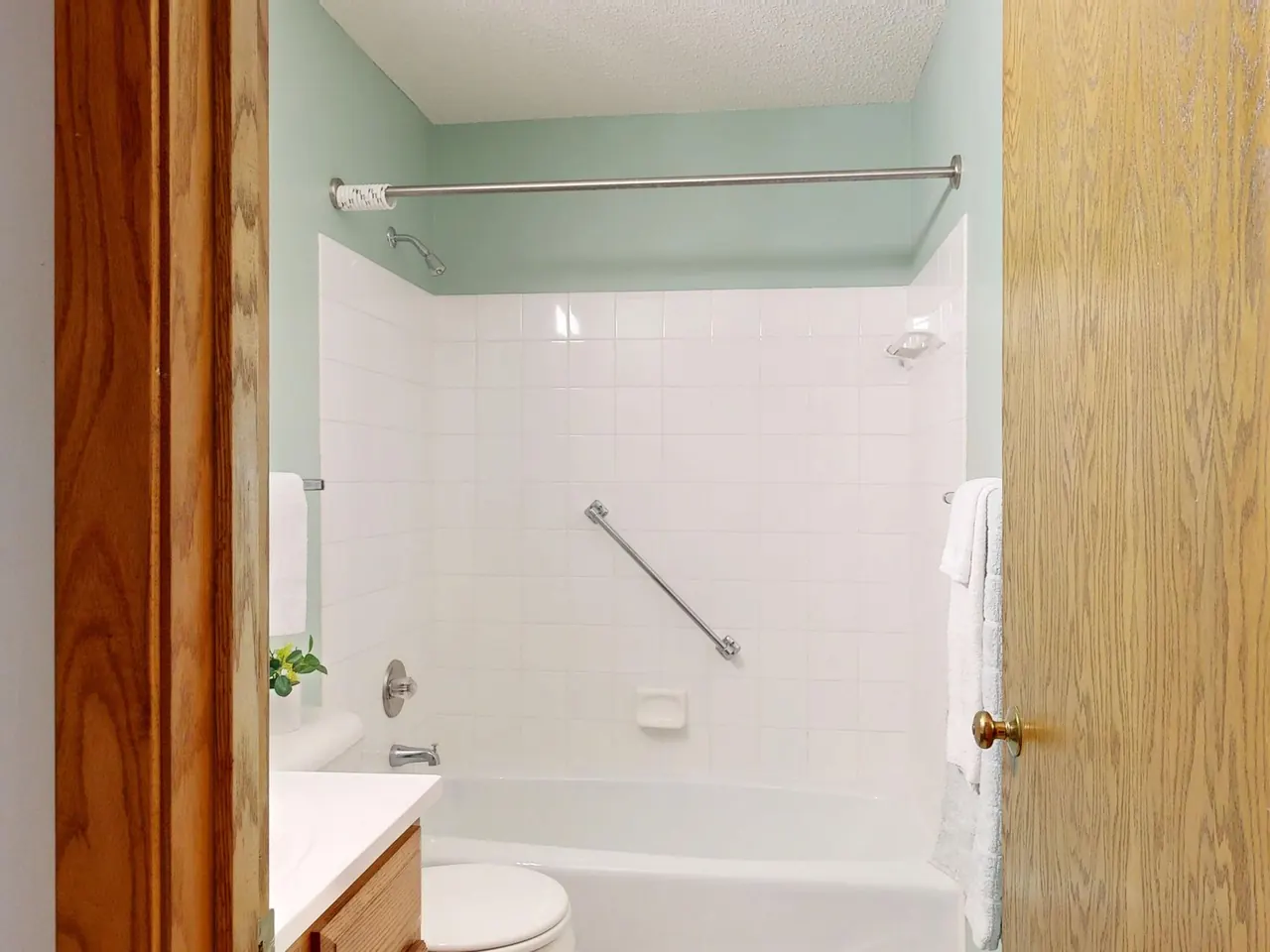
The new fill valve goes in with a fresh rubber seal and a clean lock nut. We reconnect the supply, open the angle stop, and set the water level to the marked line. Then we adjust the refill tube so the bowl gets the right amount of water. Every valve we install is WaterSense compatible.
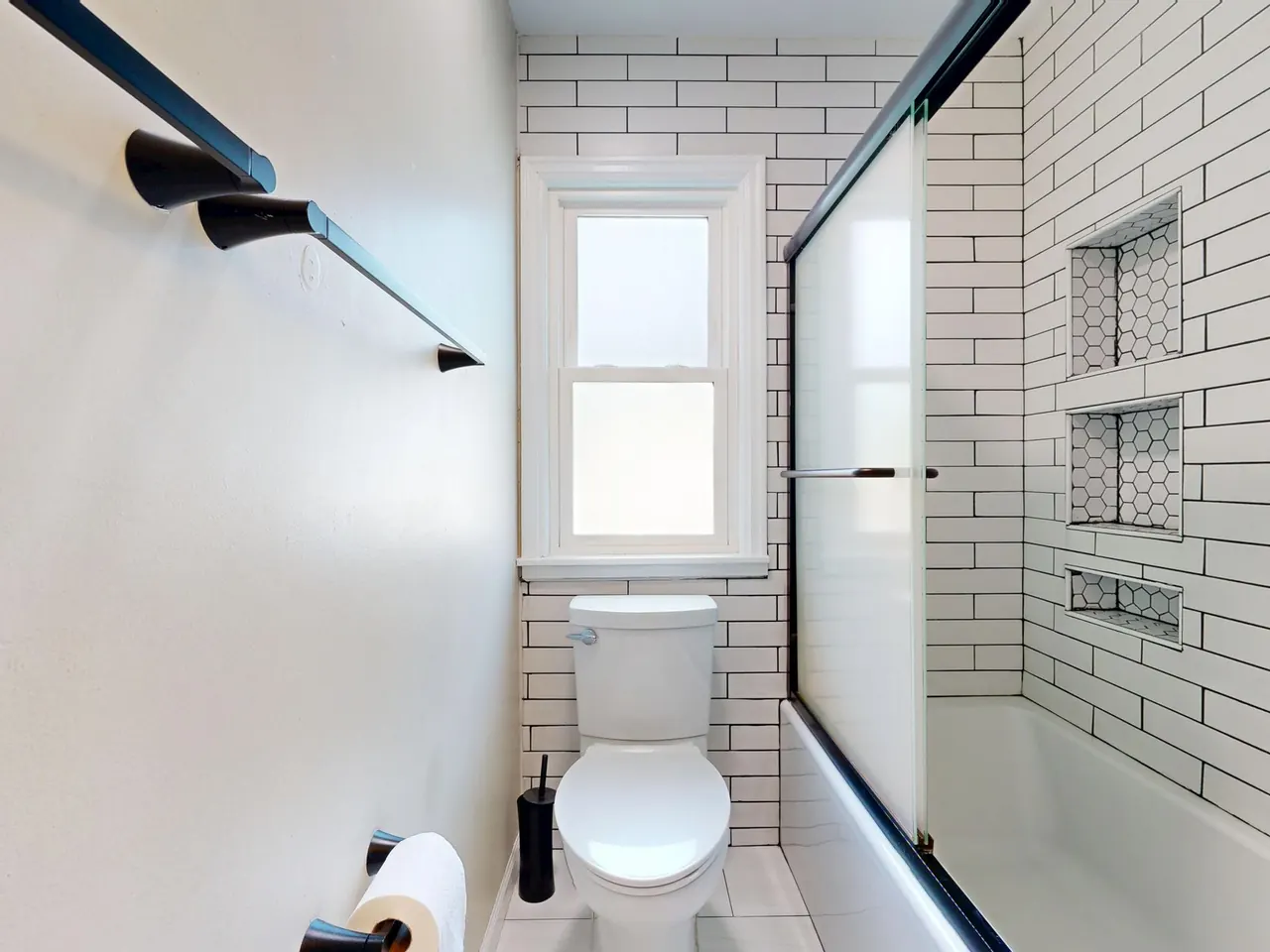
We run three full flush cycles and watch the tank refill each time. We check for leaks at the supply connection and around the tank bolts. The tank lid goes back on, tools get wiped down, and we leave the bathroom dry. You get a walkthrough of what we replaced and why.
Used to loosen the fill valve lock nut and disconnect the supply line. A plumber's wrench gives us the reach and leverage for tight tank spaces without stripping the nut.
Our go-to replacement valves for most residential toilets. Both are WaterSense compatible, resist hard water, and refill quietly. We stock them in universal and brand-specific configurations.
We replace old, brittle supply lines while the tank is drained. A new braided line handles higher pressure and lasts longer than the plastic or rubber lines that come with older toilets.
When we suspect a corroded flange or a leak behind the tank, we run a camera to see what is going on. It saves us from pulling the toilet unnecessarily and gives you a clear answer.
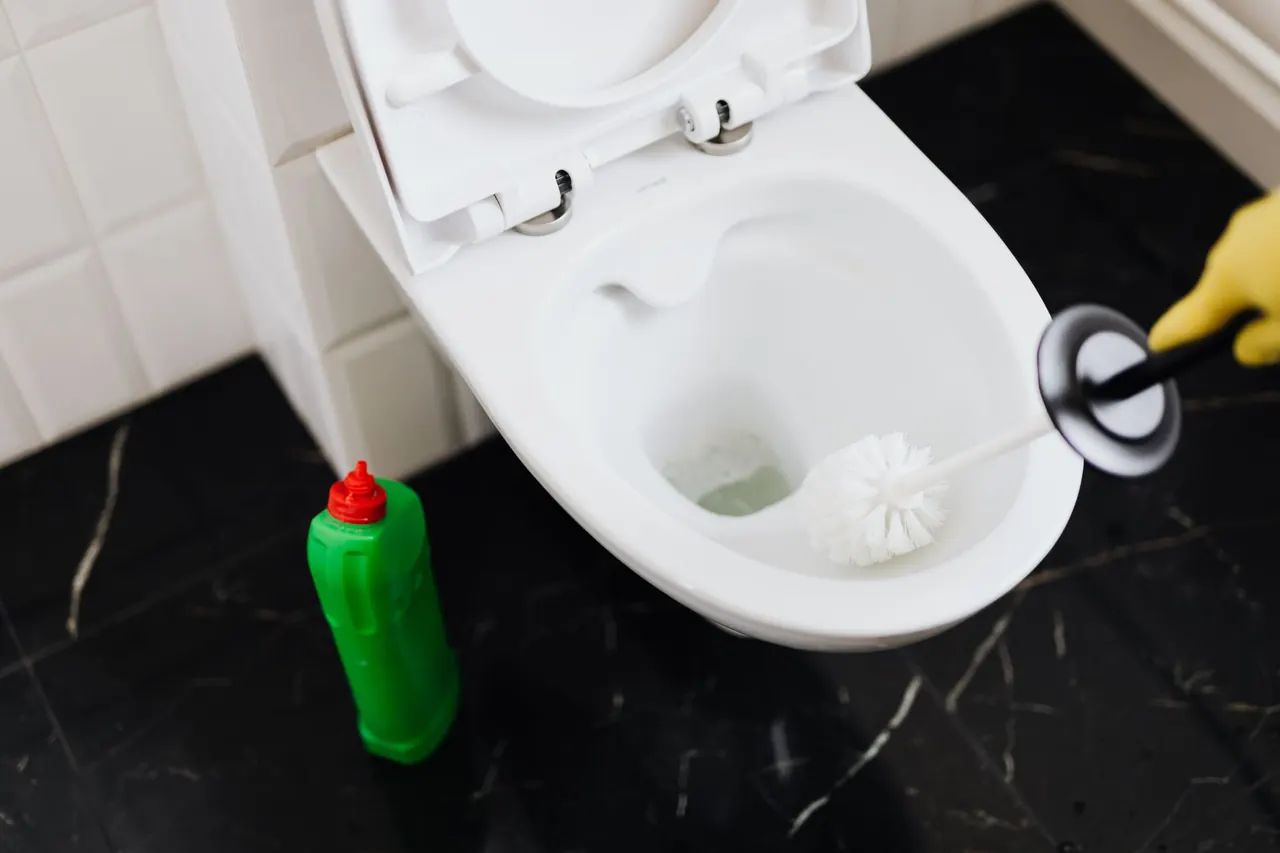
We use a shop vac to remove every drop of water from the tank before we pull the valve. That means no drips on your floor and no water damage to the bathroom.
Teflon tape goes on the supply line threads to prevent leaks. Silicone caulk is used when we need to reseal the tank-to-bowl connection or the base after a related repair.
Every fill valve replacement we do follows UPC standards for water supply and fixture installation. That means correct valve sizing, proper backflow prevention, and a water level set to the manufacturer's specification. We do not cut corners on code.
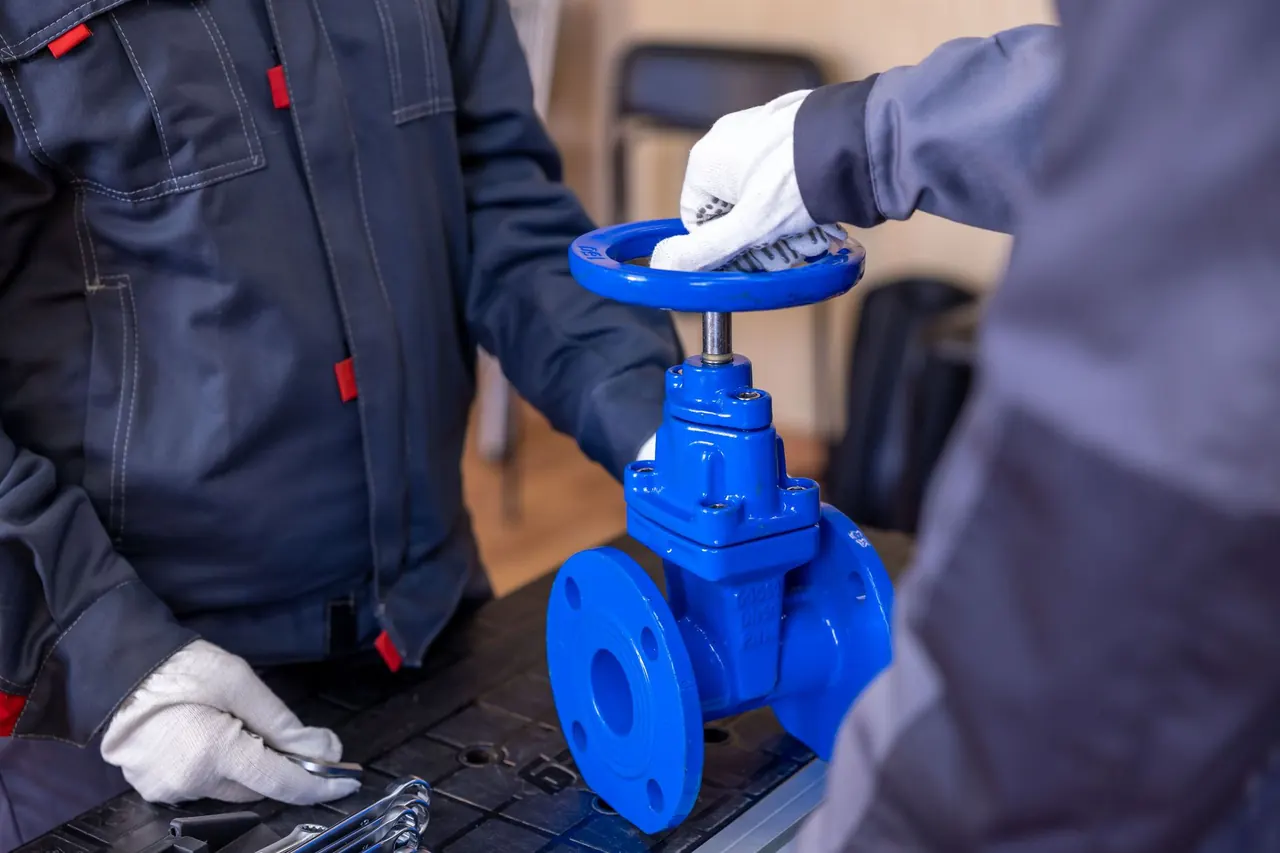
We install WaterSense-certified valves whenever possible and verify the toilet's flush volume after replacement. If your toilet is rated at 1.28 gallons per flush, we make sure it actually uses that amount. That keeps your water bill predictable.
That is a classic sign of a fill valve that is not sealing or a flapper that is leaking. We diagnose both in one visit. If the fill valve is the problem, we replace it with a hard-water-rated unit. If the flapper is also worn, we swap it at the same time. The running water stops immediately. Your next water bill reflects the fix, often saving $30 to $50 a month in a single-bathroom home.
We check the fill valve inlet screen for mineral buildup, test the angle stop for restricted flow, and inspect the supply line. If the valve is clogged or failing, we replace it. If the shut-off valve is the bottleneck, we replace that too. The tank refills in under a minute, and you can flush normally without waiting. No more double-flushing to clear the bowl.
We schedule the repair around the tenant's availability, replace the fill valve and any worn flapper parts, and test the toilet before leaving. We send you a summary of what was replaced so you have it for your records. The tenant stops calling, the water bill drops, and you avoid a larger repair from a tank that overflowed while nobody was home.
We replace the valve again, but we also talk to you about a high-efficiency toilet upgrade. Newer WaterSense models use better valves and 1.28 gallons per flush. If the tank itself is degrading, a new toilet may be the smarter spend. You either get another five years from the existing toilet or a clear recommendation on when replacement makes more financial sense.
Littleton sits on a mix of older municipal water lines and newer developments, and that affects fill valves more than most homeowners realize. Homes in Historic Downtown Littleton and Columbine Hills often have original 1950s plumbing with hard water that leaves scale on every valve screen. Newer builds in Sterling Ranch have higher water pressure, which can wear out a cheap valve in two years. We match the replacement valve to your actual water conditions, not just the toilet brand. If your toilet tank not filling Littleton CO is the symptom, we check the angle stop first, because a partially closed or corroded shut-off valve mimics a bad fill valve. We also work to Colorado plumbing code, which means proper backflow prevention and correct water level settings. Whether you are in a 1950s ranch or a new build, we bring the parts and the experience to fix it in one visit.
A homeowner called us because the upstairs toilet had been running constantly for three weeks. The water bill was up $60. The fill valve was a 12-year-old Fluidmaster with a mineral-crusted diaphragm that would not seal. The flapper was also worn.
We replaced the fill valve with a new Fluidmaster 400A and swapped the flapper at the same time. Three test flushes confirmed the tank held water with no trickle. The next water bill dropped by $45, and the noise stopped completely.
We recommended checking the valve screen every six months and flushing the supply line. A $5 inline filter can extend valve life in hard water. The homeowner now checks it during their regular bathroom cleaning.
A TOTO toilet took over three minutes to refill after each flush. The homeowner was double-flushing to compensate. The fill valve inlet screen was clogged with calcium, and the angle stop was partially closed from years of mineral buildup.
We replaced the fill valve with a TOTO OEM unit, cleaned the supply line, and replaced the angle stop. Refill time dropped to 45 seconds. The homeowner stopped double-flushing, saving an estimated 1,500 gallons a month.
We showed the homeowner how to test the water level with a pencil mark on the overflow tube. Checking it every few months catches drift early. The new angle stop turns freely for future repairs.
A 1950s home had a toilet that flushed by itself at 2 a.m. every night. The fill valve was refilling the tank every 45 minutes. The flapper was warped, and the fill valve float was waterlogged from years of service.
We replaced both the fill valve and flapper, set the water level to the manufacturer's mark, and ran three test cycles. The phantom flush stopped that night. The homeowner reported a $35 drop on the next water bill and no more 2 a.m. wake-ups.
We recommended a water alarm puck under the tank to catch any future leaks early. The homeowner also plans to replace the other two toilets' valves as preventive maintenance within the year.
A failing fill valve causes more problems than most homeowners realize. Here are the ones we fix most often in Littleton.
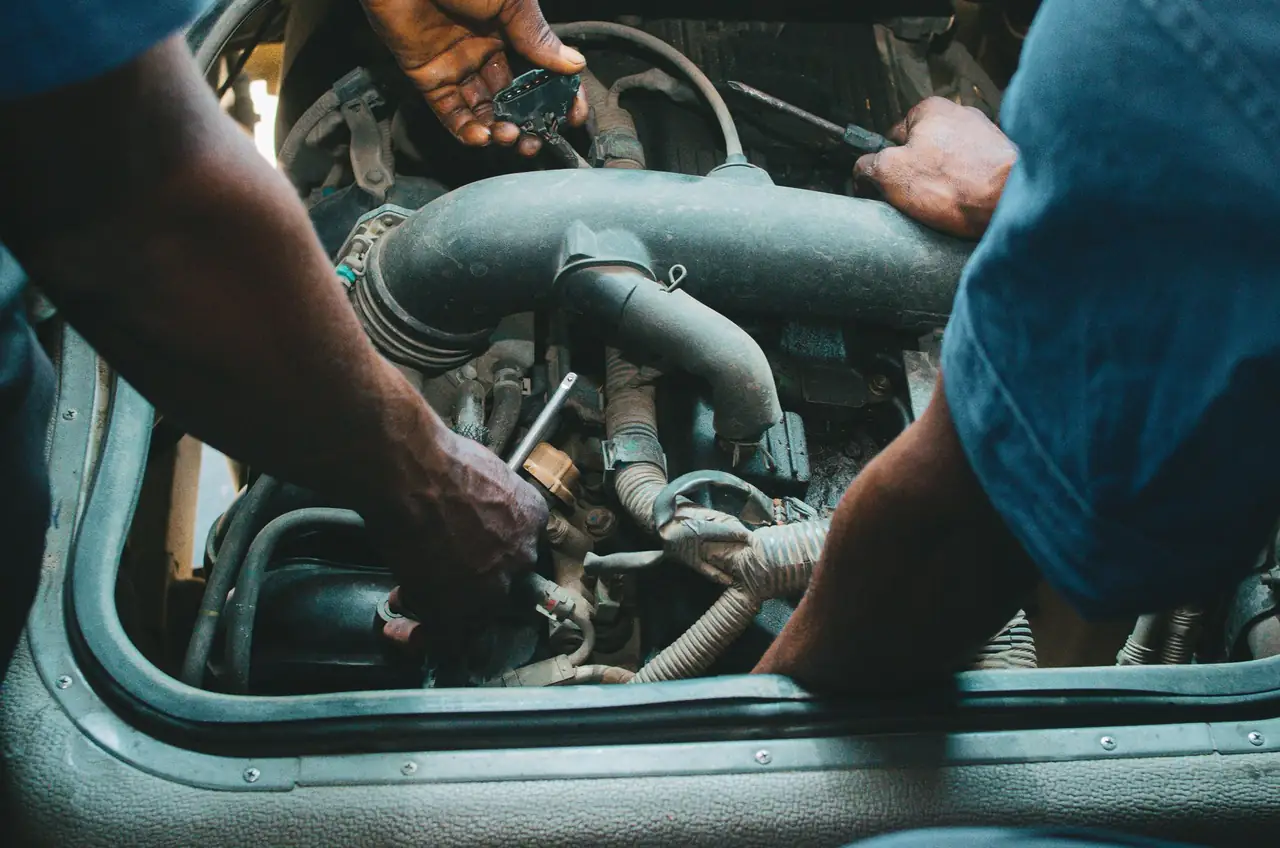
We replace the fill valve with a WaterSense-compatible unit that shuts off at the correct water level. We also check the flapper and flush valve seat. If they are worn, we replace them in the same visit so the whole system works together. A constantly running toilet can waste 200 gallons a day, which adds up to thousands of gallons a month on your Littleton water bill. It also wears out the flapper and flush valve faster.
We pull the valve, inspect the inlet screen for mineral buildup, and replace the valve if the diaphragm is worn. For toilet tank fills slowly repair Littleton CO calls, we also check the angle stop and supply line to make sure water flow is not restricted upstream. A slow-filling tank means you wait between flushes. In a busy household, that leads to double flushing, which wastes even more water. It usually points to a clogged valve screen or a failing diaphragm.

We replace the valve with a quiet-fill model like the Korky QuietFill or Fluidmaster 400A. These are designed to refill without noise. We set the water level and test three flush cycles so you can hear the difference before we leave. A whistling fill valve is annoying and usually means the internal seal is failing. Ignore it long enough and the valve will stick open or stop shutting off entirely, which can overflow the tank.
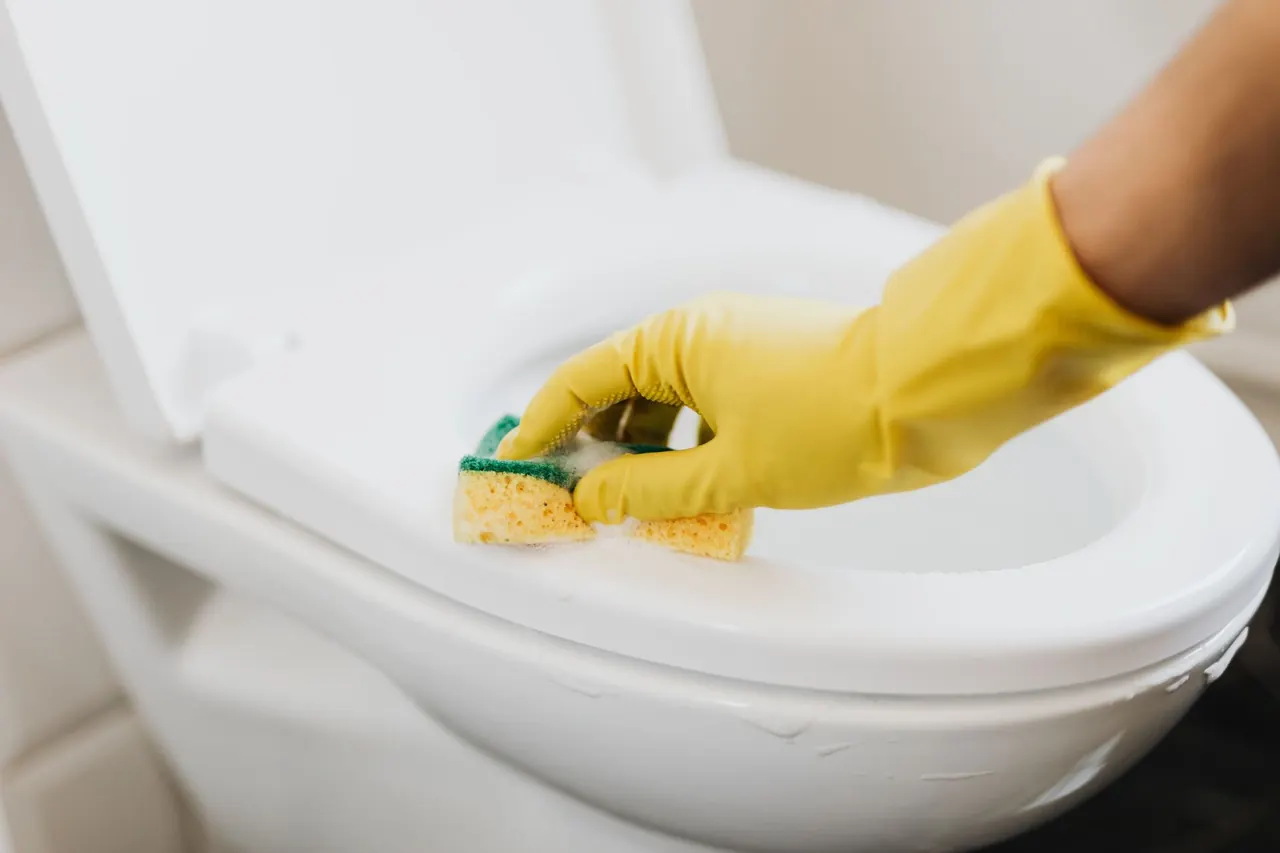
We diagnose whether the leak is at the flapper or the fill valve. Often it is both. We replace the failed parts, set the water level, and confirm the tank holds overnight. You get a quiet bathroom and a lower water bill. A phantom flush means water is slowly leaking from the tank into the bowl, triggering the fill valve to refill. It runs up your water bill and wakes you up at 2 a.m. The cause is usually a worn flapper or a fill valve that will not seal.
A toilet running constantly can send 200 gallons a day down the drain. That is roughly 6,000 gallons a month on your Littleton water bill. A new fill valve shuts off at the correct level every time, so you stop paying for water that never reaches the bowl. Most customers see the difference on the very next billing cycle.
Phantom flush and whistling fill valve symptoms usually trace back to a worn seal or mineral-crusted float. We replace the valve and inspect the flapper and flush valve while we are in the tank. If the flapper is also shot, we tell you before we touch anything. One visit, both parts, no surprise return trip.
When a fill valve sticks open, the tank keeps filling and water spills onto your floor. In a second-floor bathroom, that means ceiling damage below. Replacing the valve removes that risk. We set the water level to the manufacturer's mark and test a full flush cycle before we pack up, so you know it holds.
A weak or slow flush is often a fill valve that never refilled the bowl properly. Once the tank and bowl refill at the right rate, the siphon jet gets the water volume it needs. You get a clean, single flush instead of two or three. That matters most on older American Standard and Gerber models common in Littleton.
Clear records you can keep and share.
What we replaced and why
Set to manufacturer specification
Three cycles verified before we leave
A running toilet can be a fill valve problem, a flapper problem, or both. Knowing which one is failing saves you from replacing the wrong part.
The tank overfills, whistles, or never reaches the correct water level. Water may run into the overflow tube constantly. This points to the fill valve.
The tank drains slowly into the bowl between flushes, triggering phantom flushes. The flapper is usually warped or mineral-crusted. This points to the flapper.
Hard water often damages both parts at the same time. Replacing only one leaves the other to fail soon after. We check both during every service call.
Outside these areas? Call and ask, we may still be able to help. (720) 894-1003
Most residential fill valve replacements in Littleton run $150 to $280 in 2026, including the part and labor. Commercial flushometer work and jobs that need a new supply line or shut-off valve run higher. We quote the full price before we start, so you are not guessing. Call (720) 894-1003 for a same-day estimate.
The most common cause is a failed fill valve, usually from hard water mineral buildup. Other culprits include a closed or frozen angle stop, a kinked supply line, or a broken float. If your toilet tank not filling Littleton CO is the problem, we diagnose it in minutes and usually fix it the same visit.
You can, and the part costs $15 to $30 at a hardware store. The job takes about an hour if the shut-off valve works and the lock nut is not seized. The risk is a cross-threaded nut, a cracked tank, or a supply line that will not seal. If any of that happens, you are calling us anyway. We do it right the first time.
A standard residential replacement takes 45 to 90 minutes from arrival to cleanup. That includes diagnosis, tank drain, valve swap, calibration, and three test flushes. Commercial flushometer repairs can take a bit longer. If we find a corroded flange or a failing flapper, we handle it in the same visit and adjust the price accordingly.
A running toilet wastes water and drives up your bill. We fix it in one visit with parts already on the truck. Call (720) 894-1003 and we will schedule a same-day fill valve replacement at your Littleton home or business.
Call (720) 894-1003 or email info@toiletrepairpros.com to schedule service. We answer the phone during business hours and respond to after-hours emergency calls for active leaks and backups. Most repairs are scheduled same day or next day.