Written scope
What failed and what we will replace.
Leaking Toilet Repair in Littleton starts with finding where the water actually comes from. We pull the bowl, inspect the wax ring and toilet flange, and check the supply line and shut-off valve before anything gets replaced. If you have a toilet leaking water on floor Littleton CO, call (720) 894-1003 and we will get a tech to your door, usually the same day.

Every leaking toilet repair includes the full seal system, not just the wax ring. We replace the parts that fail together so the fix lasts. If we find a cracked flange or a dead shut-off valve, we quote that separately before we start. Here is what is covered in a standard repair.
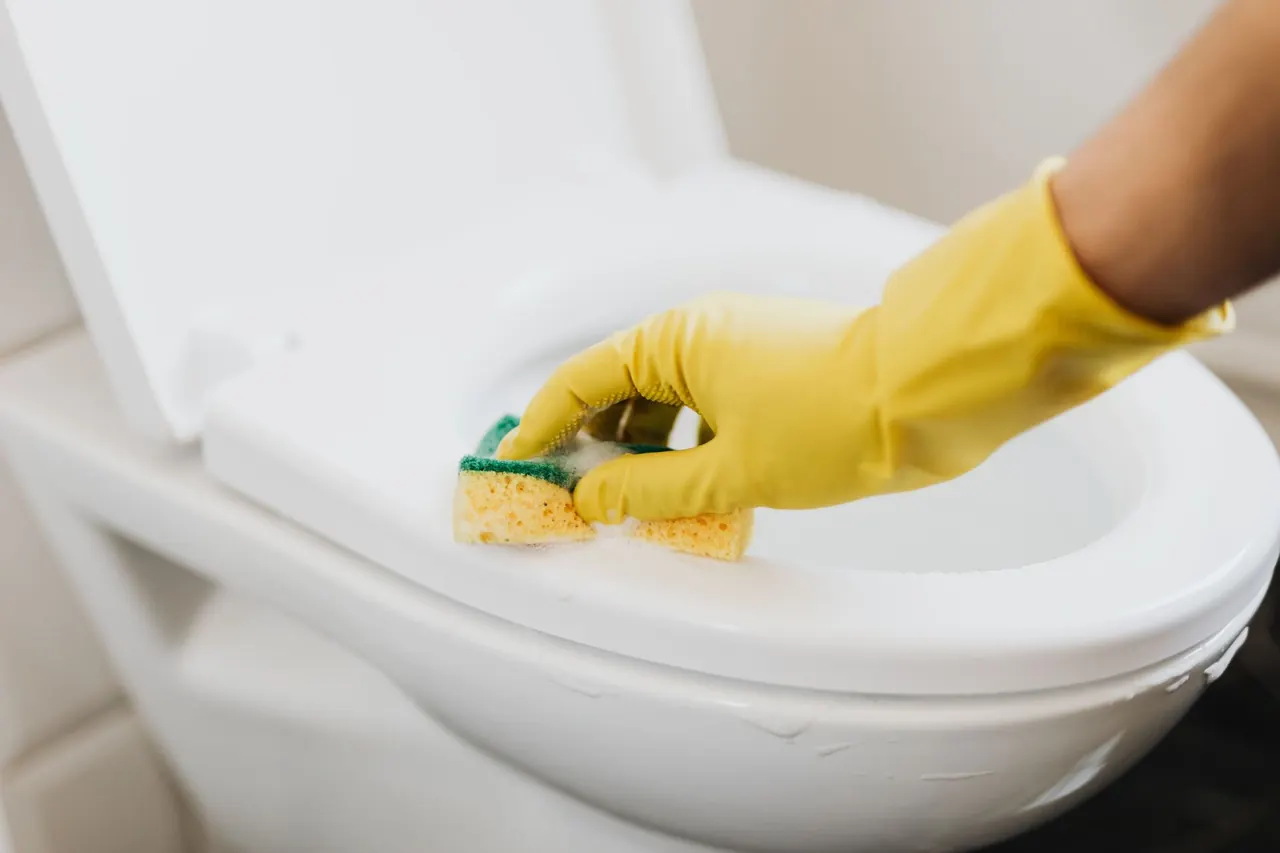
We fix leaking toilets in houses, condos, and townhomes across Littleton. You get a dry floor, a solid bowl, and a clear price before we start.
We handle leaking toilets and flushometers in offices, restaurants, and retail spaces. Work is scheduled around your hours so the restroom stays open.
Leaking Toilet Repair in Littleton is the process of finding and sealing the exact point where water escapes your toilet, whether that is the wax ring under the bowl, a cracked toilet flange, a loose tank-to-bowl gasket, or a failing braided stainless steel supply line. Water almost never comes from where it looks like it comes from. It runs down the bowl, pools at the base, and soaks into the subfloor before you notice. We pressure-test the supply side, dry the bowl, and watch for drips so we fix the source, not the symptom.
Most calls we run in Arapahoe County come from homes built between the 1970s and the 2000s, where original wax rings have dried out and closet bolts have rusted through. A rocking toilet makes it worse because every shift grinds the ring against the flange. If you have been searching for leaking toilet repair near me Littleton CO, that is usually the pattern. We also see corroded flanges in older crawlspace homes near the Platte River, where seasonal movement works the joint loose.
We find where the water starts, seal it, and test it before we leave.
Every leaking toilet job follows the same five steps. You will know what is happening and what it costs before we start, and we test the repair before we pack up.
We ask three questions: where is the water, is the bowl rocking, and is the shut-off valve working. That tells us whether to bring a flange repair kit or a full wax ring set. You get a two-hour arrival window, and we call 30 minutes out. If the valve will not close, we talk you through shutting off the main.
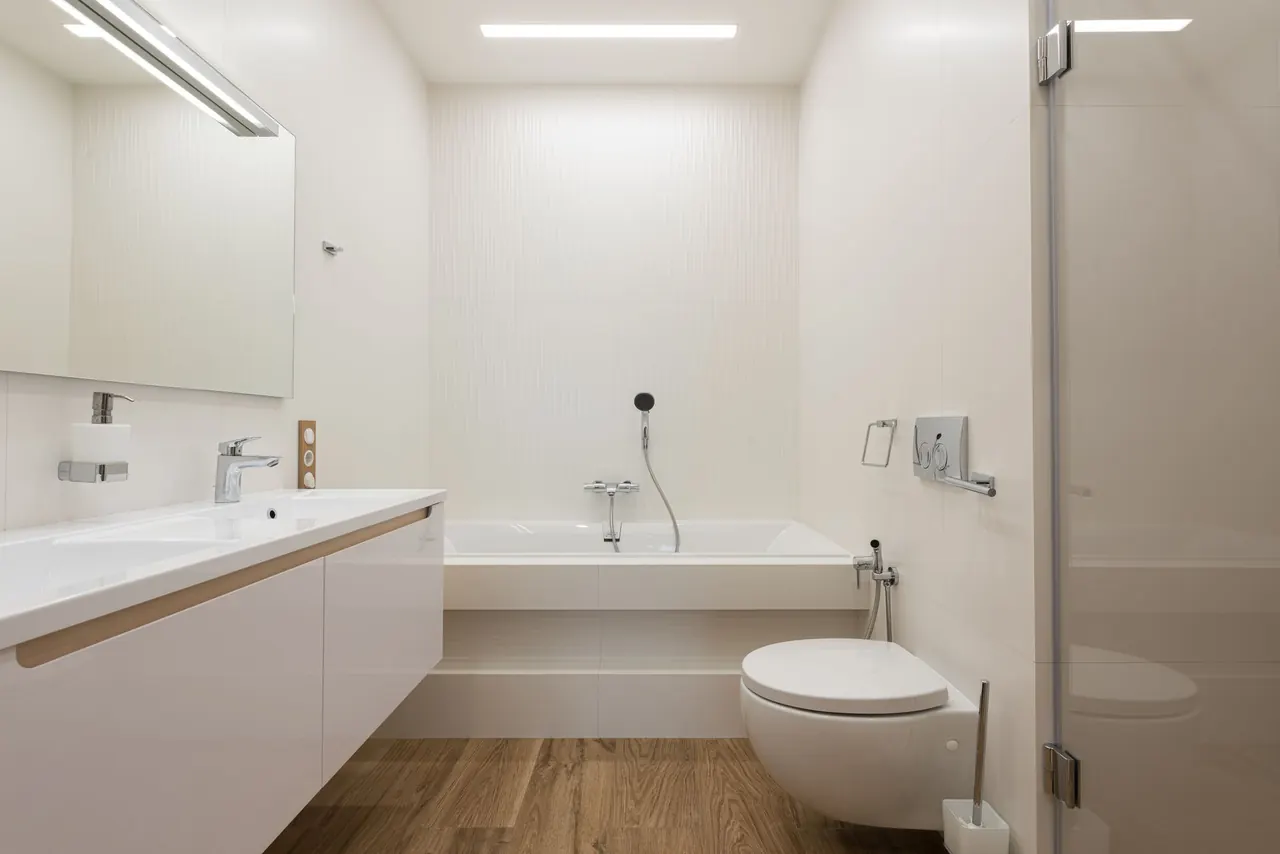
The tech pulls the tank lid, checks the flapper and fill valve, then dries the bowl and watches for water at the base. We use an inspection camera on the flange and a putty knife to check the seal. This takes 20 to 30 minutes and tells us exactly what failed.
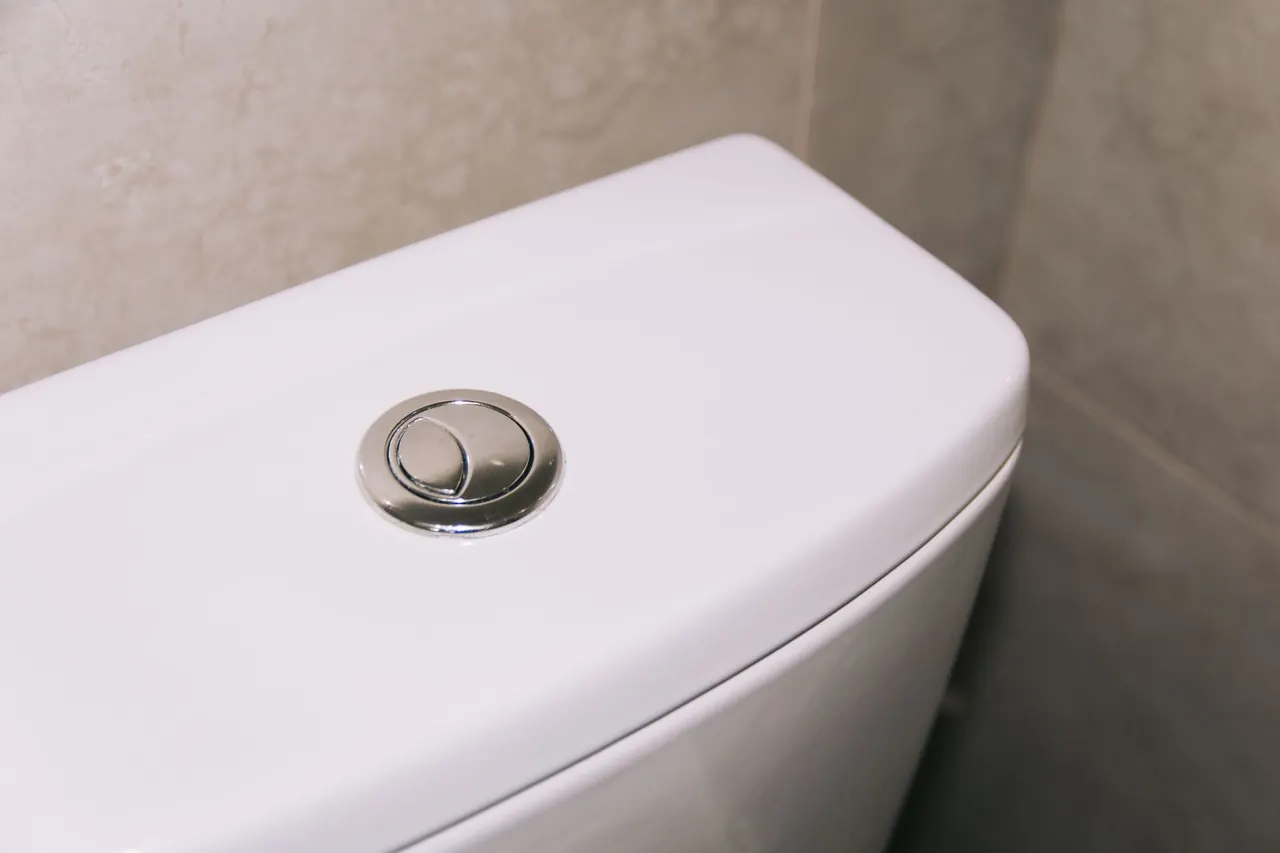
We shut the angle stop, drain the tank, and pull the bowl. The old wax ring gets scraped off with a wax ring scraper, the flange gets inspected for cracks, and the closet bolts get replaced. A new wax ring or rubber toilet seal goes down, and the bowl is reset level with toilet shims.
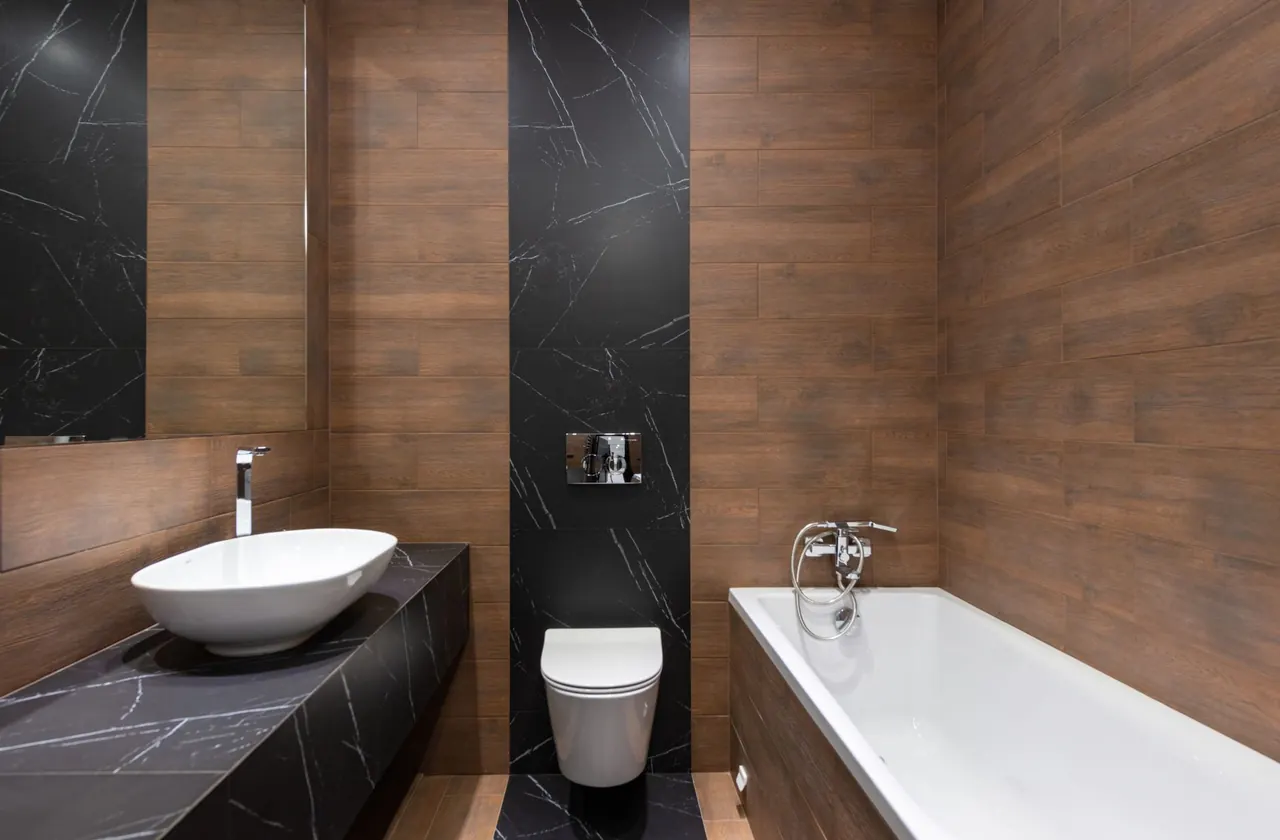
We flush the toilet five to ten times and watch the base for any weep. The supply line gets a paper-towel test at both ends. Then we caulk the base with silicone caulk, clean the area, and haul away the old parts. You get a walkthrough of what we did and what to watch for.
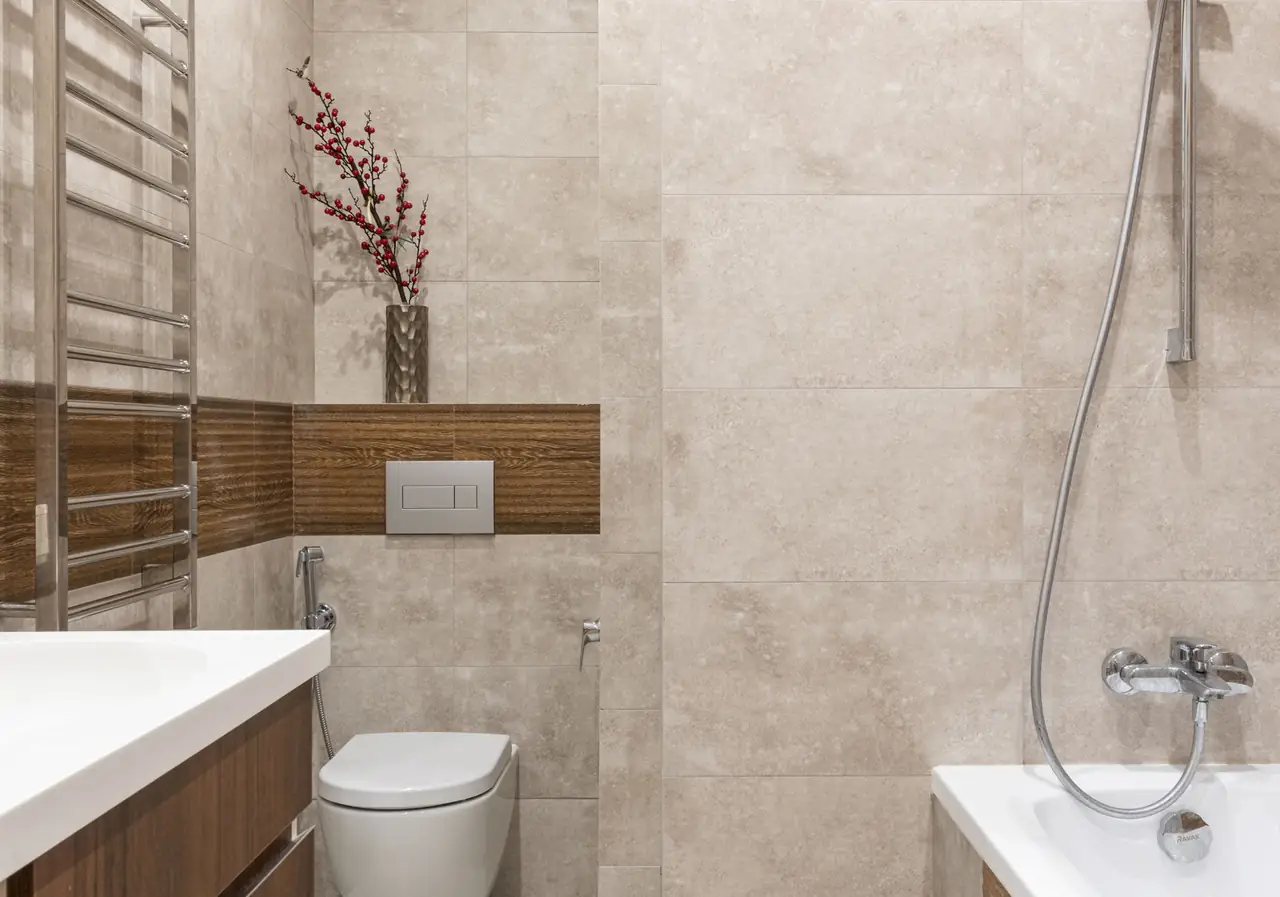
We call you two days later to confirm the floor is dry and the bowl is solid. If anything weeps, we come back. Most leaks stay fixed after one visit because we replace the ring, the bolts, and the supply line together instead of just the ring.
Lets us see under the bowl and inside the flange without tearing up the floor. We use it to confirm cracks, corrosion, and flange height before we quote the repair.
Removes the old wax ring cleanly from the flange and the bowl horn. A clean surface is the difference between a seal that holds and one that weeps in a month.
Clears clogs that stress the wax ring. We run the auger through the trapway and the snake down the branch line when the blockage is deeper.
Extracts standing water from the floor and the tank before we pull the bowl. It also cleans up after the repair so you are not left with a wet bathroom.
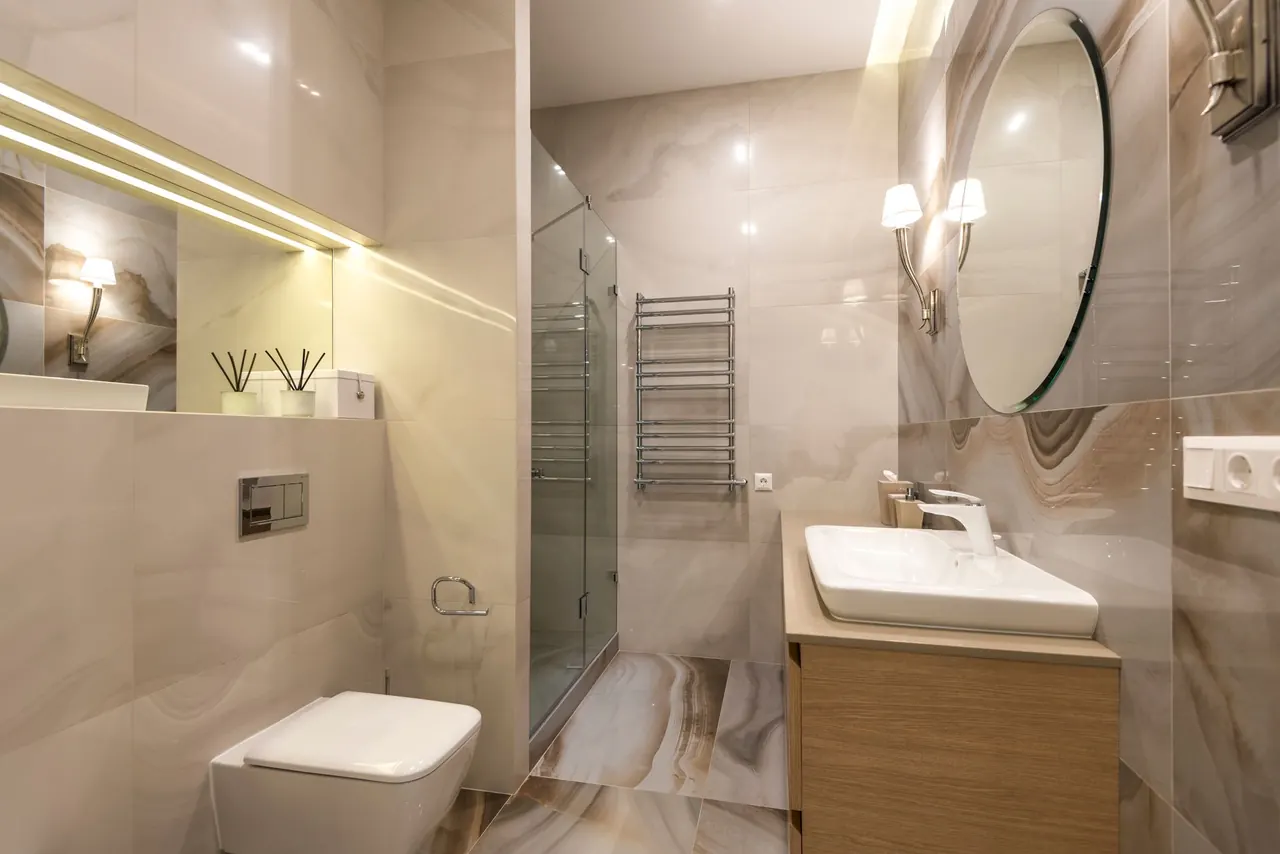
Sets the closet bolts to the right tension. Overtightening cracks the bowl or the flange; undertightening lets the bowl rock. We torque to spec every time.
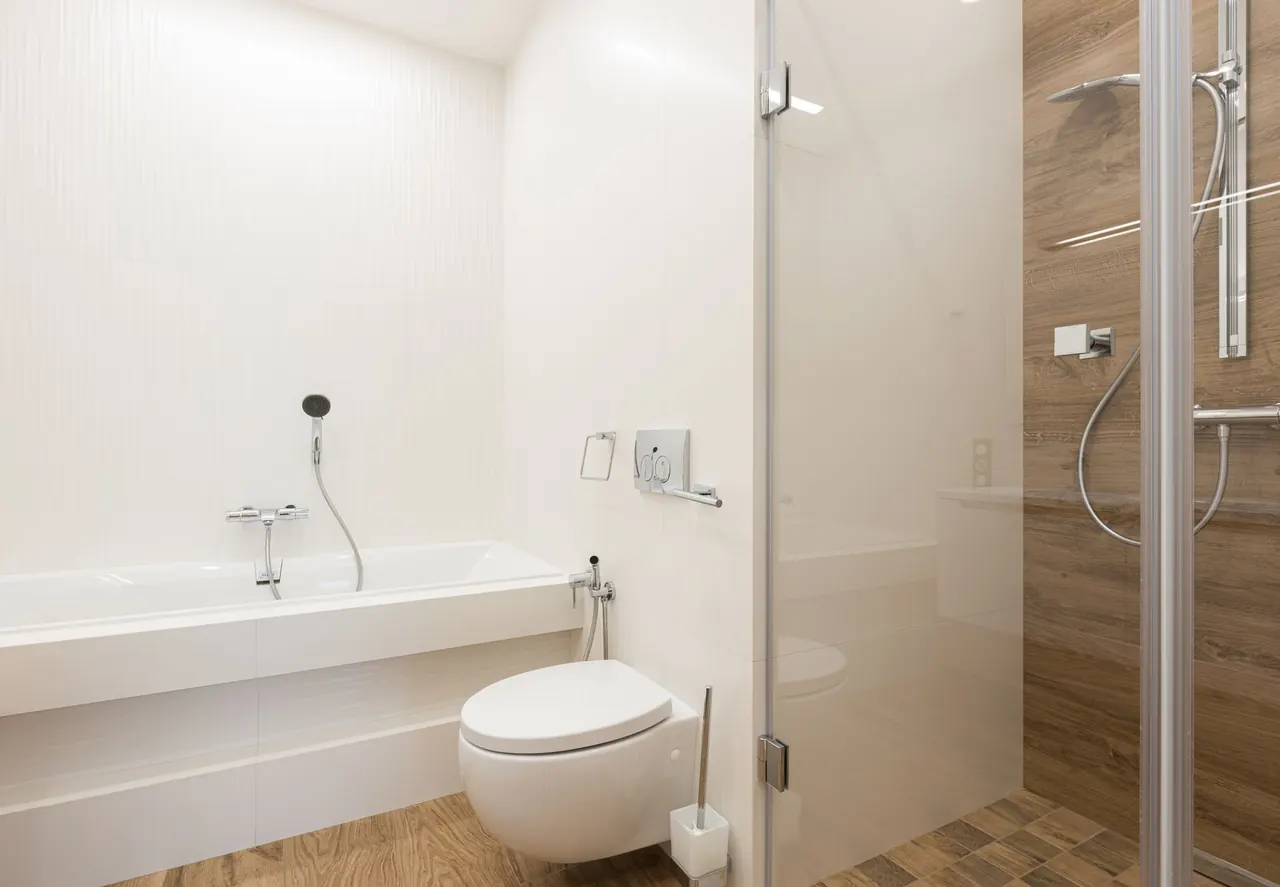
Seals the base after the bowl is set. A clean bead keeps splash water out of the joint and stops the bowl from shifting on the floor.
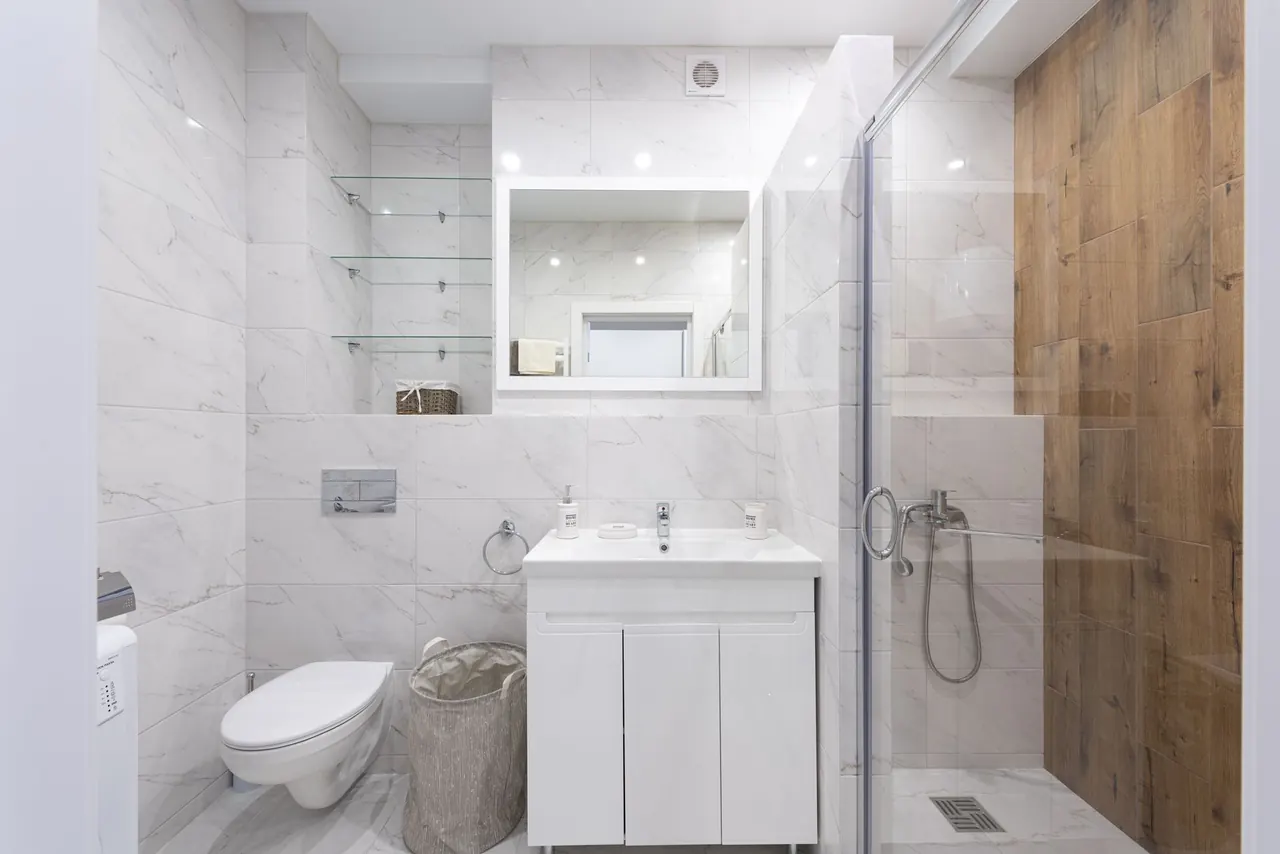
We dry the base and the supply connections, then wrap them in paper towel and flush. Any weep shows up as a wet spot within minutes. It is the fastest way to tell a base leak from a supply leak.
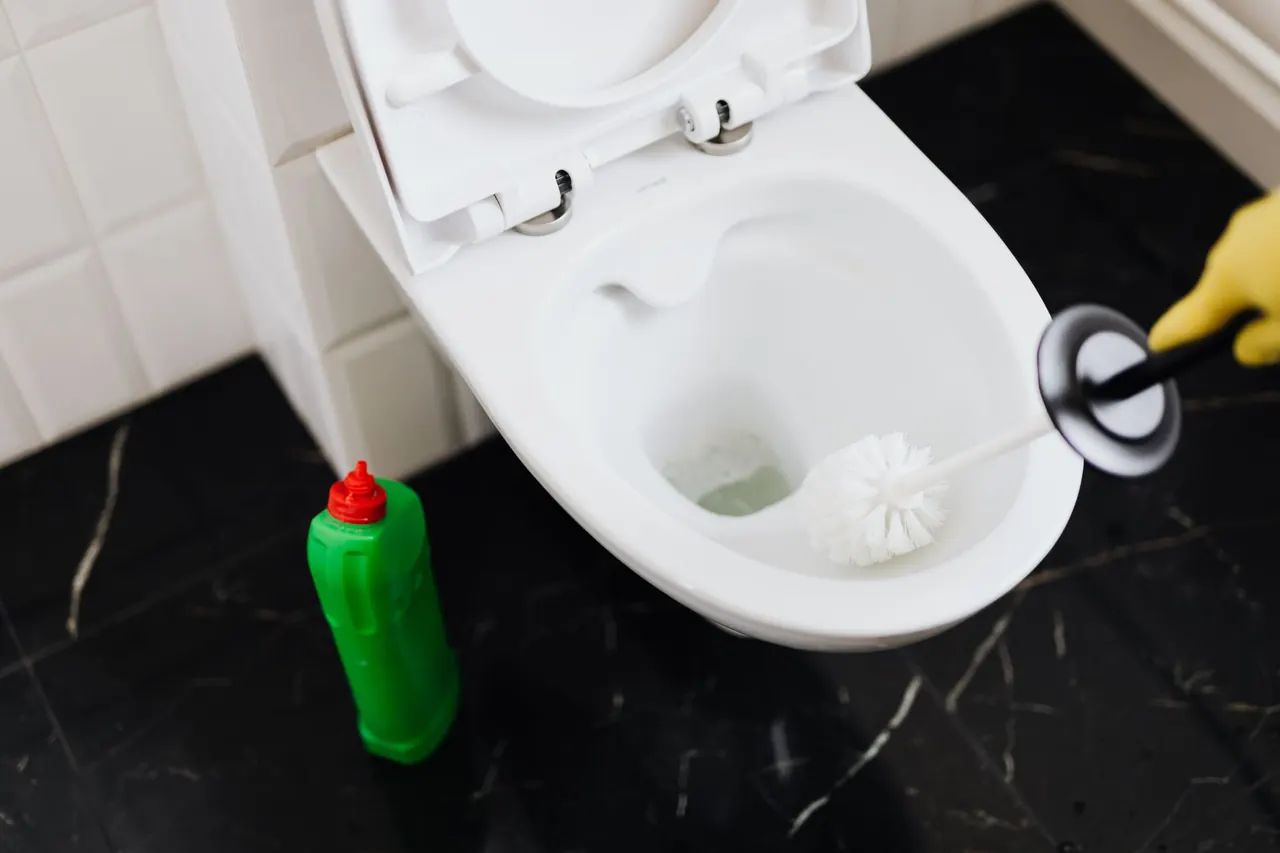
The flange should sit flush with or just above the finished floor. We measure it before setting the bowl. If it is low, we add a flange extension or repair the flange so the wax ring compresses correctly.
We treat this as urgent. The tech pulls the toilet, finds the failed wax ring or cracked flange, and repairs the seal. We also check the subfloor for saturation and document the moisture level before we close up. The leak stops, the ceiling stain stops spreading, and you have a record of the moisture reading for your insurance if you file a claim.
We pull the bowl, inspect the flange for cracks, and reset it with new closet bolts, a new wax ring, and toilet shims. If the flange is damaged, we repair it to code before setting the bowl. The bowl sits solid, the base stays dry, and the new seal lasts because the bowl no longer moves.
We handle the repair and provide a written summary of what was replaced. That includes the wax ring, closet bolts, and supply line. We can usually schedule this within 48 hours of your call. The repair is documented for the buyer, the inspection item clears, and the closing stays on track.
We dispatch a tech with a wet/dry shop vacuum and shut-off tools. The water gets stopped and extracted, then we replace the wax ring and any failed valve. We send photos and an invoice to the property manager. The unit is dry and usable the same night, and the property manager has documentation for the tenant file.
Littleton's housing stock ranges from 1920s bungalows near Historic Downtown to new builds in Sterling Ranch, and the plumbing changes with it. Older homes often have cast iron closet bends and original brass flanges that have corroded thin. Newer homes use PVC and ABS with plastic flanges that can crack if the bowl was set too tight. Colorado's dry air pulls moisture out of wax rings over 10 to 15 years, which is why base leaks are so common here. We also see seasonal movement in crawlspace homes near the Platte River, where the floor shifts and works the closet bolts loose. When you call for toilet leaking at the base repair Littleton Colorado, we bring the parts that match your home's era. We check the flange height, the floor level, and the shut-off valve before we quote, so the repair fits the house, not a generic template.
A homeowner noticed a brown stain on the ceiling below the upstairs bathroom. The toilet had been rocking for months and water pooled at the base after every flush. The wax ring was dried out and the plastic flange had a hairline crack.
We repaired the flange, set a new wax ring, replaced the closet bolts, and leveled the bowl with shims. The ceiling stain stopped spreading within 24 hours. Moisture readings dropped from 28 percent to 11 percent over three days.
Check the base for movement every few months. If the bowl rocks, stop sitting on it and call us. A $200 seal repair beats a $2,000 floor replacement.
A 1990s home had a corroded angle stop that would not close. The supply line was weeping at the compression fitting and water ran under the bowl, looking like a base leak. The homeowner could not shut the water off to replace the toilet.
We replaced the angle stop with a quarter-turn shut-off valve and installed a new braided stainless steel supply line. The base stayed dry after 10 flushes. The homeowner can now isolate the toilet by hand in seconds.
Turn the shut-off valve closed and open once a year to keep it from seizing. It takes 10 seconds and saves an emergency call.
A toilet ran for 20 seconds every hour and the base stayed damp. The flapper had scale buildup and the fill valve was set too high, pushing water past the rim. The constant moisture kept the wax ring soft and the seal failed.
We replaced the flapper and fill valve with WaterSense-compliant parts, reset the water level, and installed a new wax ring. The phantom flush stopped, and the water bill dropped by about 4,000 gallons the next month.
Drop a dye tablet in the tank once a month. If color shows in the bowl without a flush, the flapper is leaking and needs replacement.
A leaking toilet shows up in different ways depending on what failed. Here are the most common problems we fix in Littleton and what happens if you leave them alone.
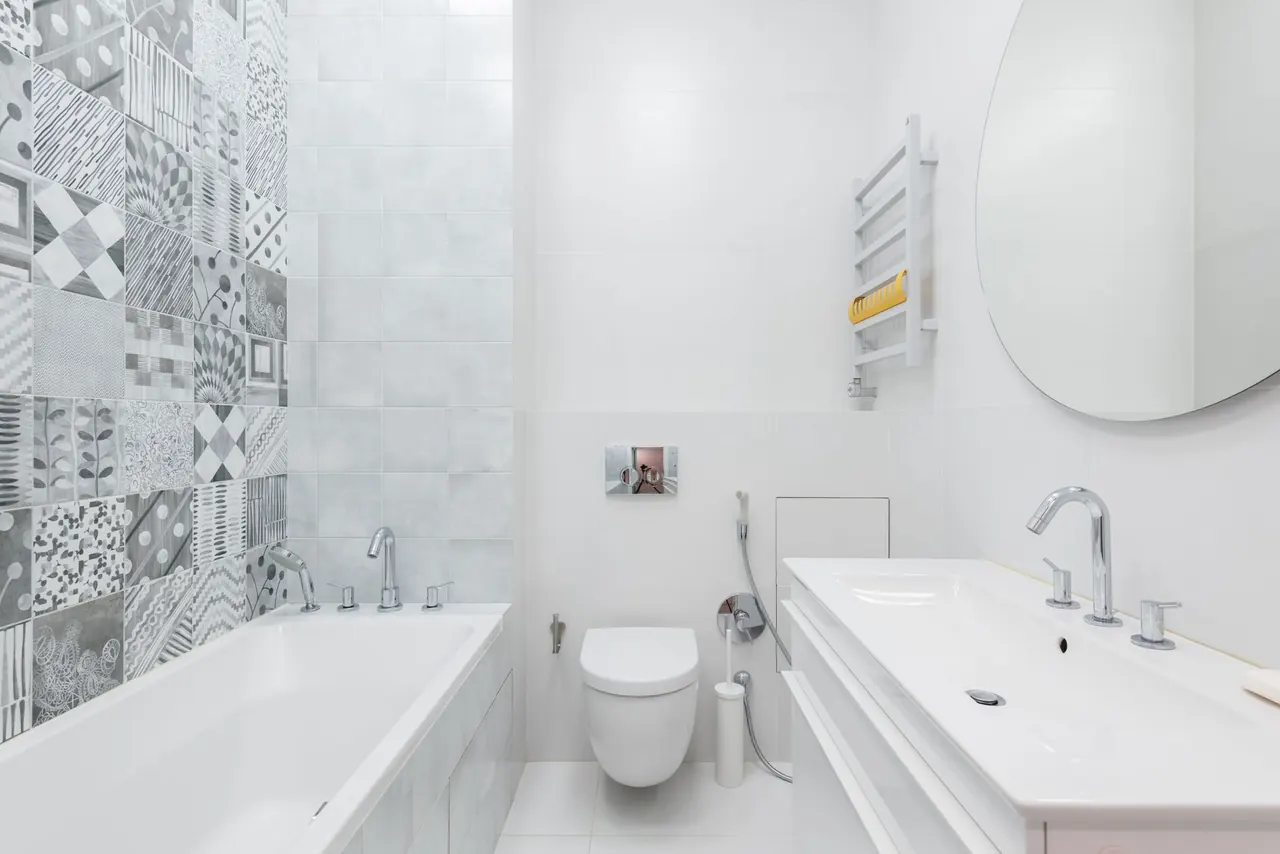
We pull the bowl, replace the wax ring, and check the flange height. If the flange is low or cracked, we repair it to UPC spec so the new ring compresses evenly. Most base leaks stop after this one repair. The subfloor soaks up the water and swells. Within weeks you can get soft spots, tile movement, and mold under the floor. If the toilet sits above a finished ceiling, the stain shows up there next.
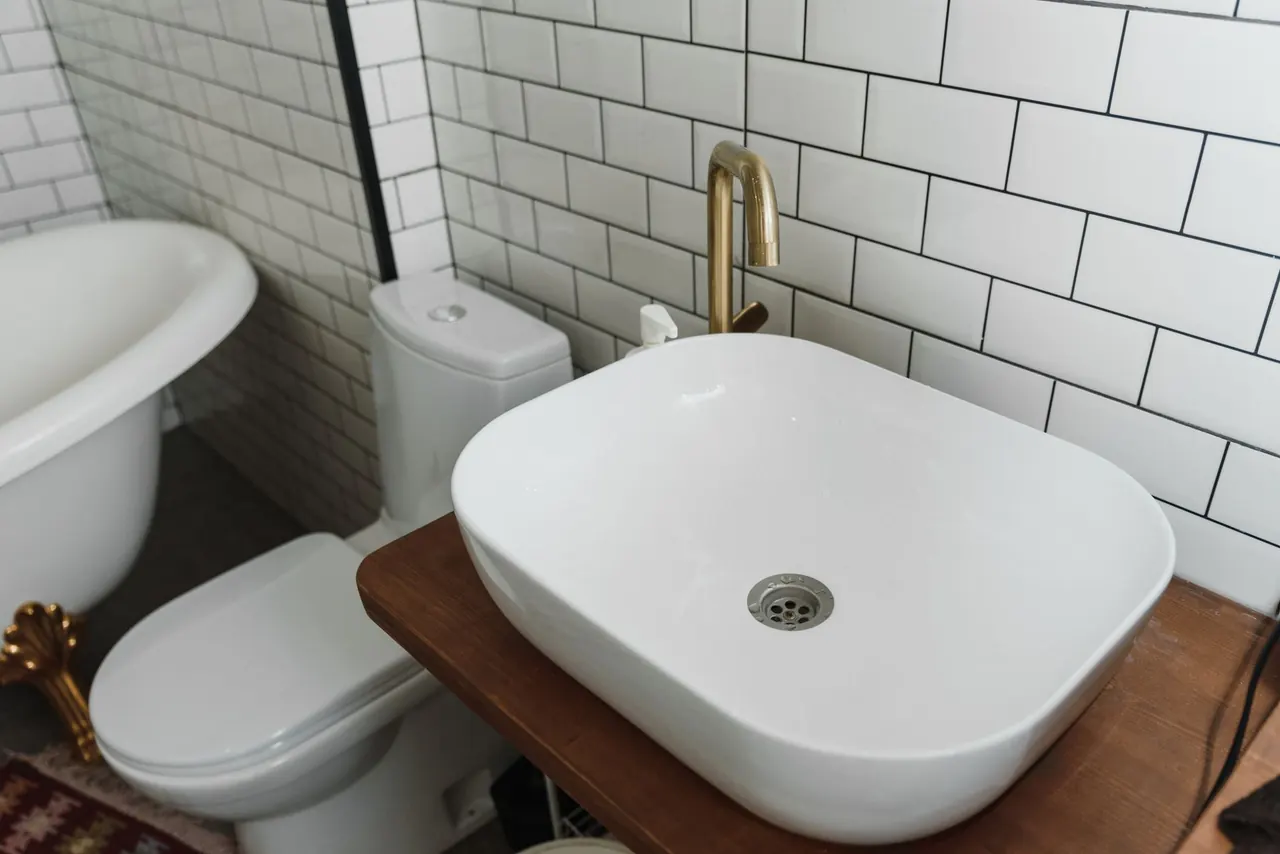
We check the flange and the floor for level, then reset the bowl with new closet bolts and toilet shims. The bowl gets torqued to spec and caulked so it does not move. We also replace the wax ring while the bowl is up. Every shift grinds the wax ring against the flange and opens the seal further. A rocking toilet can also crack the flange over time, turning a $200 repair into a $500 one.
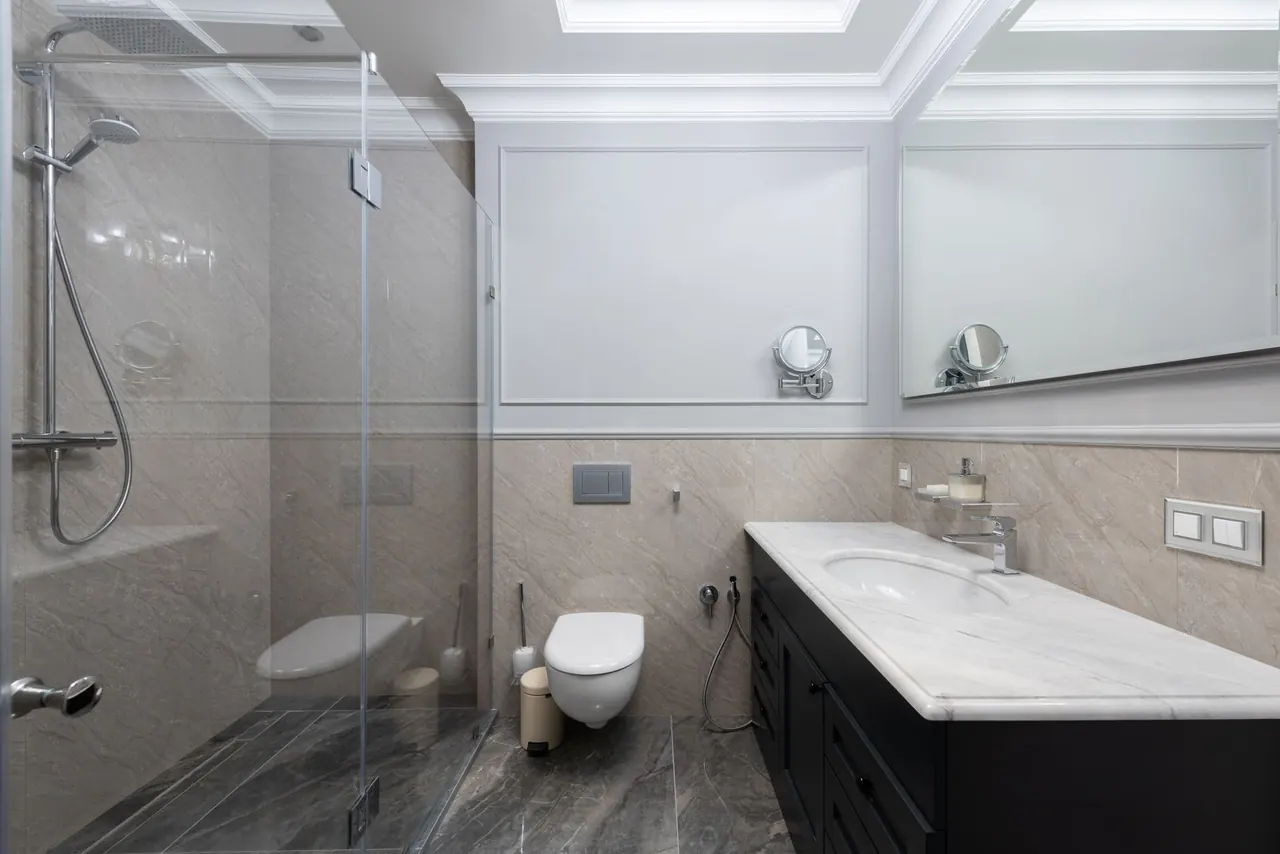
We replace the angle stop with a quarter-turn shut-off valve and install a new braided stainless steel supply line. Both connections get a paper-towel test before we close up. You get a valve you can actually turn by hand. If the valve will not close, you cannot stop the water in an emergency. A corroded valve can also weep at the compression fitting and run under the bowl, which looks like a base leak.
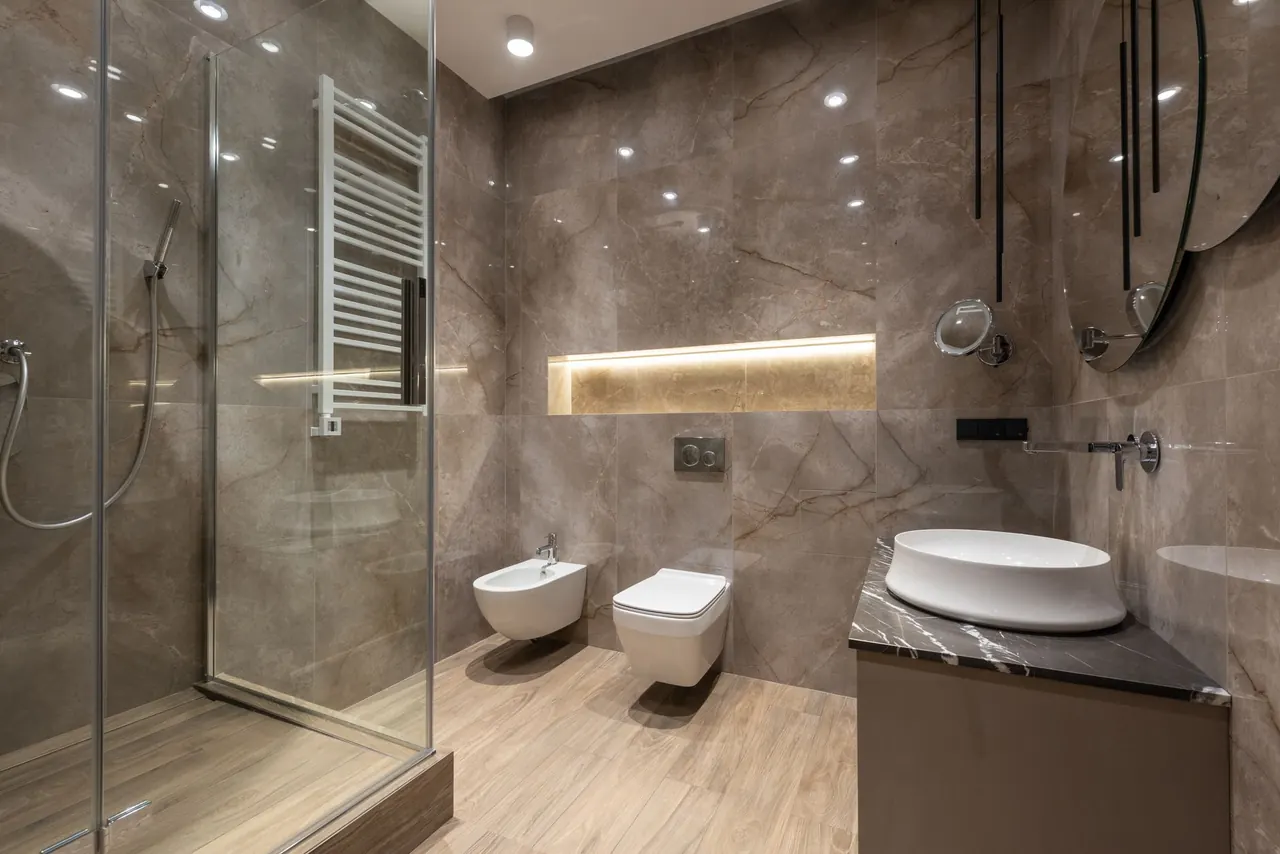
We replace the flapper and fill valve with Fluidmaster or Korky parts, set the water level correctly, and check the base seal while we are there. Stopping the phantom flush often stops the base leak too. A leaking flapper lets tank water trickle into the bowl all day. That water keeps the seal wet and can overflow the rim, and it adds hundreds of gallons to your monthly bill.
We test the supply line, the tank-to-bowl gasket, and the base seal in one visit. Most leaks are identified in under 30 minutes with an inspection camera and a dry paper test around the flange. You get a straight answer on what failed and what it takes to fix it.
We stock Fluidmaster fill valves, Korky flappers, and Kohler, TOTO, and American Standard gaskets on the truck. That means one trip, not three. If your toilet needs a new wax ring or rubber toilet seal, we install it the same day and torque the closet bolts to spec so the bowl does not rock.
We vacuum standing water with a wet/dry shop vacuum and check the subfloor for soft spots before we set the new seal. Catching rot early saves thousands compared to a full floor replacement. We also dry and treat the area so mold does not get a foothold under the tile.
You get the price before we pull a wrench. A standard wax ring and flange bolt kit job in Littleton runs $185 to $340 in 2026. If the flange is cracked or the shut-off valve is frozen, we tell you what that adds and why. No surprise line items when the work is done.
Clear records you can keep and share.
What failed and what we will replace.
Before and after images of the flange and seal.
Ten flushes with a dry paper check at the base.
A wax ring is only half the seal. The flange and the closet bolts hold the bowl steady so the ring can do its job. If either is loose or cracked, a new ring will fail again.
The flange should sit flush with or just above the finished floor. If it sits low, the wax ring cannot compress and water slips past it. We measure before setting the bowl.
A bowl that moves grinds the wax ring against the flange every time you sit down. We shim and torque the bowl so it stays still. That is what makes the repair last.
Water from a weeping supply line runs down the bowl and pools at the base. We dry and paper-test both connections. Fixing the wrong one wastes your money.
Outside these areas? Call and ask, we may still be able to help. (720) 894-1003
The wax ring has failed in about 8 out of 10 cases we see. Colorado's dry air dries the wax out over 10 to 15 years, and once it cracks, water escapes every flush. A rocking bowl makes it worse by grinding the ring. Other causes include a cracked toilet flange, loose closet bolts, or a tank-to-bowl gasket that has gone hard. We test all four before we quote the repair.
Yes, if water is actively running onto the floor. A slow weep can wait until morning, but an active leak reaches the subfloor in under an hour and can soak drywall in the ceiling below. Shut the angle stop, then call (720) 894-1003. We run 24/7 leaking toilet plumber Littleton CO calls and can usually be there within 90 minutes.
Most repairs run $185 to $340 in 2026, and that covers the wax ring, closet bolts, supply line, and labor. If the flange is cracked, add $150 to $300 for flange repair. A full toilet replacement runs $450 to $900 installed. We give you the number before we start, and there is no charge for the diagnostic if you approve the repair.
A new wax ring fixes the leak when the flange is solid and the bowl sits level. If the flange is cracked, below the floor, or the bowl rocks, a wax ring alone will fail again within months. We check flange height and bolt tightness first. When the flange is sound, a wax ring replacement is the right fix and usually takes under an hour.
Water at the base of your toilet will not fix itself, and every hour it runs costs more in floor damage. Call (720) 894-1003 and we will dispatch a tech with the parts to fix it on the first visit. Upfront pricing, same-day service, and a repair we stand behind.
Call (720) 894-1003 or email info@toiletrepairpros.com to schedule service. We answer the phone during business hours and respond to after-hours emergency calls for active leaks and backups. Most repairs are scheduled same day or next day.