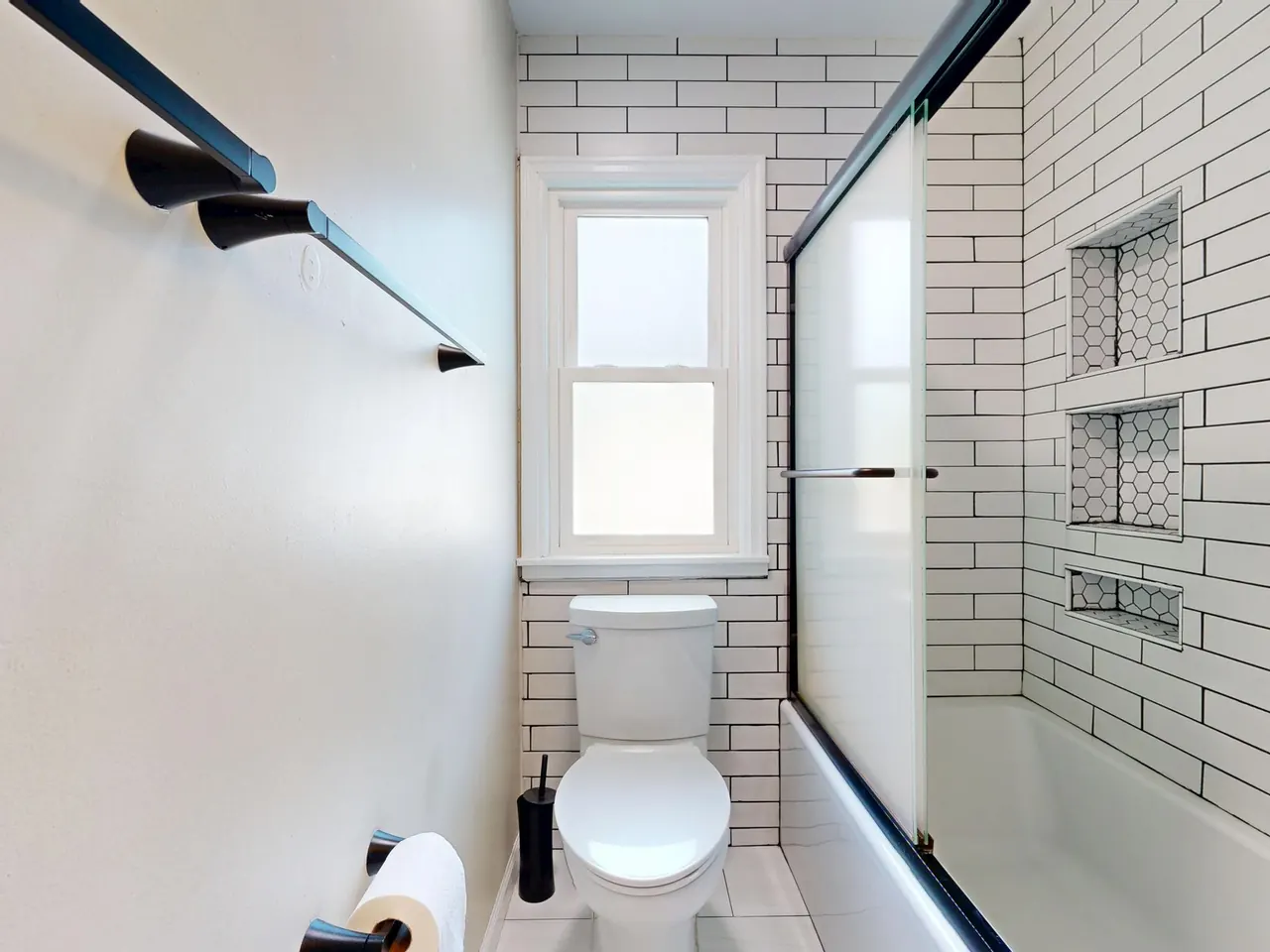
Old parts
You see the failed flapper or valve.
Toilet Flush Valve and Flapper Replacement Littleton CO is the fastest way to stop a toilet that runs, hisses, or refills on its own. We replace worn flappers, rebuild flush valves, and reset the water level so your tank holds and your bill stops climbing. Whether you need toilet flapper replacement in Littleton or a full flush valve rebuild, we carry the parts for Kohler, TOTO, American Standard, and Fluidmaster tanks on the truck. Most jobs are done in one visit.
Every flapper or flush valve job covers the tank components that affect the seal. If we find something outside that scope, like a failed wax ring or a cracked flange, we quote it separately before touching it.
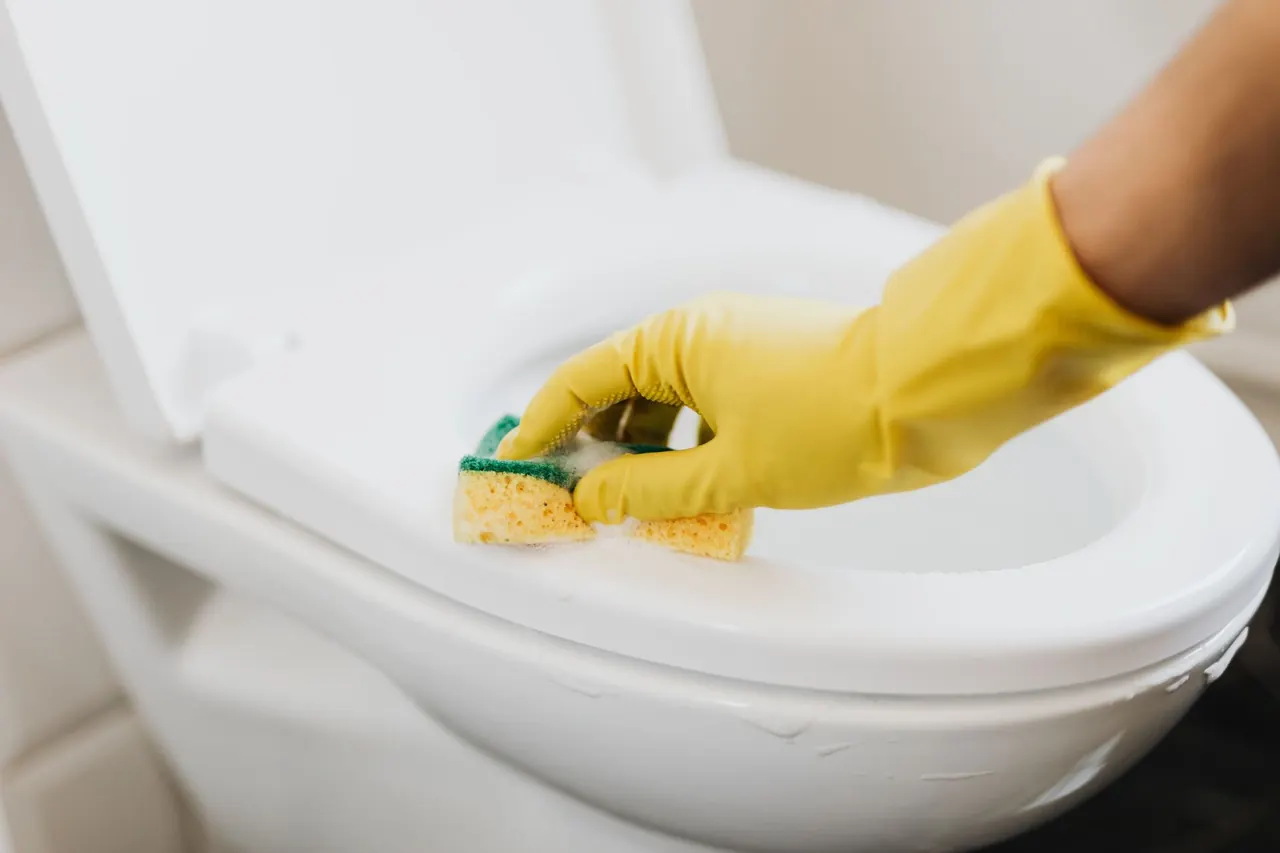
We replace flappers and flush valves in houses, condos, and apartments across Littleton. Most jobs take under an hour and leave the tank holding water the same visit.
We handle tank and flushometer repairs for property managers, offices, and retail restrooms in Littleton. Multiple fixtures at one address share the trip charge.
Toilet Flush Valve and Flapper Replacement Littleton CO is a tank-side repair that swaps the rubber flapper and, when needed, the flush valve body that seals the tank outlet. The flapper is the rubber gate that lifts when you press the handle and drops back to hold water. When it warps, mineralizes, or loses its seat, water trickles past it into the bowl 24 hours a day. We shut off the angle stop, drain the tank, unclip the old flapper or unbolt the overflow tube, clean the seating surface, and install a new flapper or full flush valve assembly rated for your tank.
Littleton homes sit on some of the hardest water along the Front Range, and that mineral load is what kills flappers early. Most flappers here fail in three to five years instead of the seven to ten you would get on softer water. If your toilet runs constantly, phantom flushes at 2 a.m., or you hear the fill valve kick on when nobody touched the handle, the flapper is usually the culprit. We also check the fill valve, trip lever, and tank-to-bowl gasket while the tank is open, because a $12 part that fails next month means a second service call.
The flapper is a cheap part, but the diagnosis is what makes the repair last.
Five steps from the phone call to a tank that holds. Most Littleton jobs finish inside 45 to 75 minutes.
Tell us what the toilet is doing: running, hissing, weak flush, or refilling on its own. We ask the tank brand and roughly how old the toilet is, then quote a range before we roll. If it sounds like a flapper, we say so. If it sounds like a fill valve or a clog, we tell you that too.
We close the angle stop behind the toilet, flush the tank empty, and sponge out the last inch of water. A wet/dry shop vacuum handles the rest. This keeps your bathroom floor dry and lets us see the flush valve seat clearly instead of working blind through cloudy water.
We pull the old flapper and run a finger around the flush valve seat and overflow tube rim. Mineral grit, a warped seat, or a cracked overflow tube changes the plan from a flapper swap to a full flush valve replacement. You get the finding and the price before we start.
New flapper or complete flush valve goes in, chain length set so the flapper lifts fully without catching, and the fill valve adjusted to the marked water line on the tank wall. We test-flush five times and watch the tank hold for a full hour. If it creeps, we adjust before we leave.
We check for leaks at the tank bolts, supply line, and base, then hand you the old parts and a note on what we installed. You get the flapper brand and model so the next replacement is a five-minute job. Payment is due when the toilet holds, not before.
Used to break loose tank bolts, supply line nuts, and flush valve lock nuts without rounding the brass. We carry both sizes because Littleton homes have everything from 1950s brass to modern plastic fittings.
Pulls the last inch of water out of the tank after we shut off the angle stop. A dry tank means we can see the flush valve seat and overflow tube rim clearly instead of working through cloudy water.
Used when a running toilet does not trace back to the flapper. We run the camera down the closet bend or main line to rule out a partial blockage or a failing flange before we sell you tank parts.
For jobs that turn into a floor-level repair. If the wax ring has failed, we scrape the old ring off the flange and horn, then set a new wax ring on a clean surface.
Tank bolts and flange bolts have a spec. Over-tightening cracks porcelain and under-tightening leaks. We torque to the manufacturer's number so the tank-to-bowl gasket seals without stressing the tank.
Corroded closet bolts snap when you try to remove them. We keep full flange bolt kits on the truck so a simple flapper job does not stall because the bolts are rusted through.
Every flush valve and flapper install follows UPC and IPC requirements for water supply protection and fixture installation. That means correct seat height, proper gasket placement, and no cross-connection risk. It also means the work passes inspection if you are selling the home.
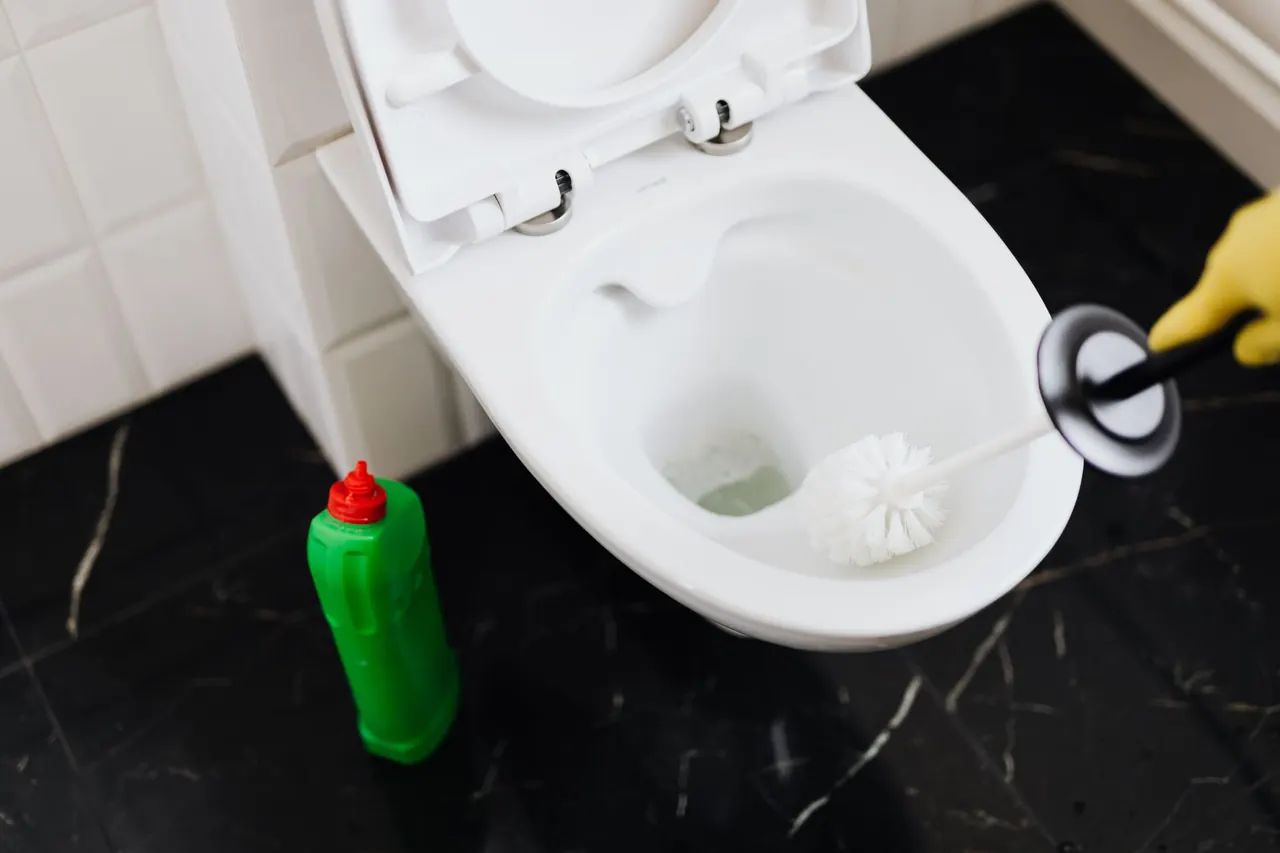
For high-efficiency toilets, we match the replacement flapper and flush valve to the tank's rated flush volume. A standard flapper in a 1.28-gallon tank can cause a weak flush or an incomplete seal. Matching the part to the fixture is what keeps the flush working as designed.
We diagnose the flapper as the leak source, replace it with a hard-water-rated flapper, and set the fill valve to the correct level. We also check the supply line and shut-off valve while the tank is open. The toilet is silent overnight, the phantom flush stops, and the next water bill returns to normal. Most jobs like this finish in under an hour.
We schedule a single route, carry flappers and flush valves for each tank brand, and replace all four in one afternoon. We hand over part numbers for each toilet so future replacements are easy. All four toilets hold water, the water bill drops across the building, and the manager has a parts list for the next round.
We open the tank, find a pitted flush valve seat that no flapper can seal, and quote both a full flush valve rebuild and a WaterSense-rated replacement. The customer picks based on cost per year. Either way the running stops. On the rebuild, the toilet holds for another decade. On replacement, the water use drops to 1.28 gallons per flush.
We handle the flapper and flush valve replacement the same week, test the tank for a full hour, and provide the part details for the buyer's records. We also check the wax ring and flange for any floor-level issues. The inspection item clears, the buyer gets a toilet that holds water, and the sale moves forward without a repair credit.
Littleton's water is the main driver of flapper failure here. The supply coming into Arapahoe County homes carries heavy calcium and magnesium, and that mineral load deposits on rubber every time the tank refills. A flapper that would last seven years in a softer-water city often fails in three to five here. Chlorine in treated water adds to the wear. We see the same pattern across Historic Downtown Littleton's older homes and the newer builds in Sterling Ranch: the flapper stiffens, warps at the edge, and stops sealing. Winter makes it worse because indoor humidity drops and rubber dries out faster. If you are searching for a Littleton CO flush valve repair, the fix is usually a chlorine-resistant flapper matched to your tank brand, plus a flush valve replacement if the seat is pitted. We also check the fill valve and supply line on every call, because a $20 part that fails next month means a second service visit.
The homeowner had a toilet running nonstop for three weeks. The water bill was up $52 and the fill valve kicked on every 20 minutes. The flapper was crusted white with mineral deposits and the chain was set too long, so it never fully seated.
We replaced the flapper with a chlorine-resistant model, cleaned the flush valve seat, and reset the chain length. The tank held level for a full hour. The next water bill dropped back to normal and the toilet has been silent for months.
Check the flapper edge for stiffness every six months. If the toilet starts refilling on its own, replace the flapper before the fill valve wears out too.
A homeowner had replaced the flapper twice in 18 months and the toilet still ran. The flush valve seat was pitted and mineral-fused, so no flapper could seal against it. The tank bolts were also corroded and weeping slightly.
We installed a complete flush valve assembly with a new tank-to-bowl gasket and replaced the tank bolts. The toilet held water for the full hour test and the weeping at the bolt heads stopped. This fix should last a decade.
Keep the tank water level at the marked line. If you see rust trails at the bolt heads, have the gasket checked before it becomes a floor leak.
A property manager had four units with running toilets across two buildings. Two needed flappers, one needed a flush valve rebuild, and one had a frozen angle stop that made shutoff impossible. The water bill across the building was climbing monthly.
We replaced three flappers, rebuilt one flush valve, and swapped the frozen angle stop for a quarter-turn ball valve. All four toilets held water at the one-hour check. The building water bill dropped the following month.
Keep a spare flapper for each tank brand on hand. With the new ball valves, shutting off the water for the next repair takes seconds instead of a main-line shutdown.
Most tank-side toilet problems trace back to the flapper or the flush valve seat. Here are the ones we see most in Littleton.
We pull the flapper, inspect the seat, and install a new flapper or full flush valve assembly. Then we set the water level and confirm the tank holds for a full hour before we leave. Most running toilets are silent by the time we pack up. A flapper that no longer seals can waste 200 gallons a day. That is roughly 6,000 gallons a month on your Littleton Water bill, and the sound carries through the wall all night.
We replace the flapper, check the overflow tube height, and verify the fill valve shuts off at the correct level. If the fill valve is already whistling or slow, we swap it in the same visit. One call, both parts handled. The fill valve kicks on to replace water the flapper let escape. It wakes you up, and it means the flapper has been leaking for weeks. Left alone, the fill valve wears out too and you pay for two parts instead of one.
We set the chain length so the flapper lifts to full open, check the flush valve for obstructions, and confirm the water level is at the tank mark. If the toilet is an older low-flow unit, we can discuss a WaterSense-rated replacement. A flapper that does not lift fully, or a chain set too long, releases less water per flush. You end up flushing twice, which wastes more water than the leak ever did. Repeated double-flushing also wears the trip lever.
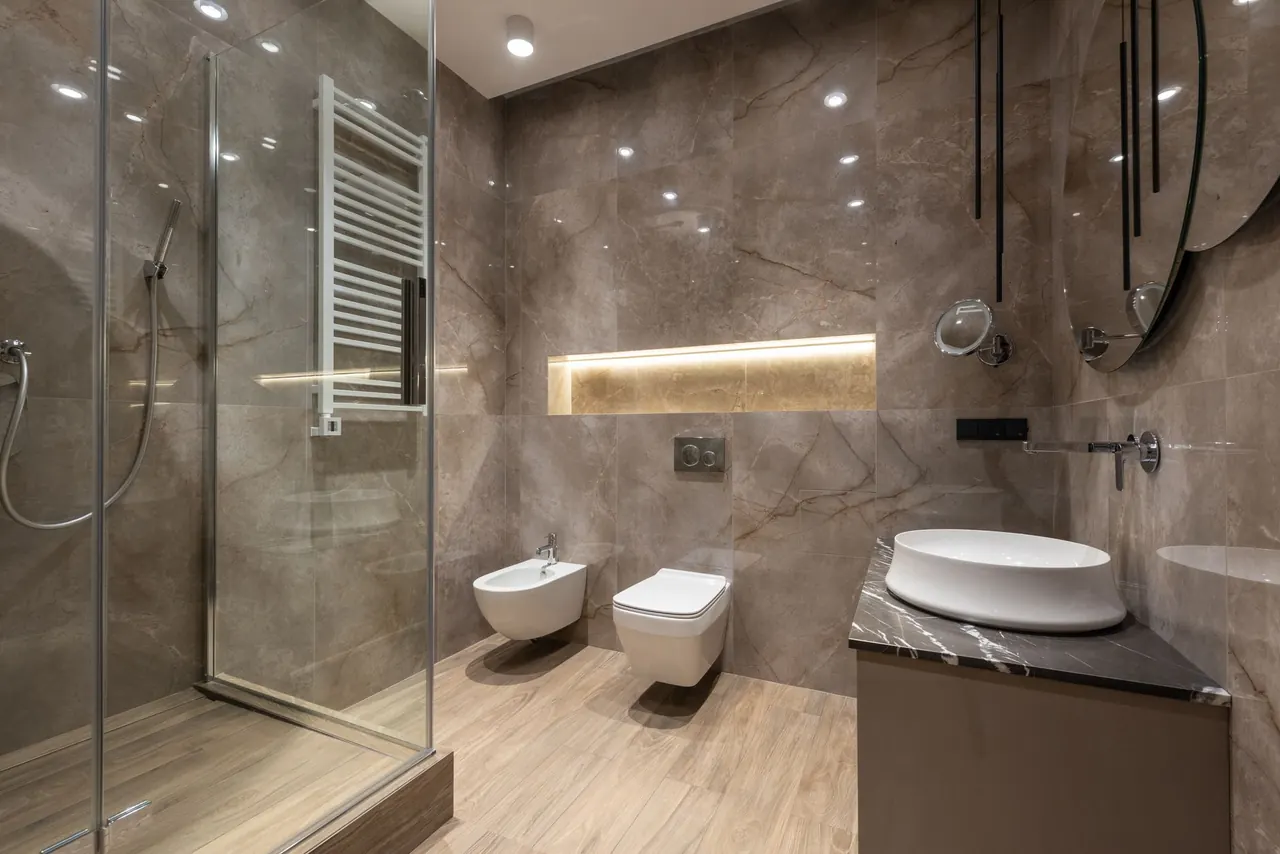
We clean the seat surface, install a chlorine-resistant flapper built for hard water, and check the fill valve for mineral grit. On badly scaled tanks we recommend a full flush valve replacement so the new flapper has a clean seat to seal against. Littleton's mineral-heavy water leaves calcium and magnesium deposits on rubber. The flapper stiffens, warps, and stops sealing. Flappers here fail in three to five years instead of seven to ten.
A flapper that leaks past its seat can waste 200 gallons a day, which is roughly 6,000 gallons a month on your Littleton Water bill. We replace the flapper and dial in the tank water level so the fill valve shuts off cleanly. You get the leak stopped the same visit, not next week.
That middle-of-the-night refill is the fill valve topping off water the flapper let escape. We reseat or replace the flapper, check the overflow tube height, and confirm the tank holds level for a full hour before we pack up. No more hissing through the wall at 3 a.m.
We stock chlorine-resistant flappers and adjustable flush valves built for Colorado's mineral-heavy supply. On a toilet flapper and flush valve service Littleton call, we match the flapper to your tank brand, not a universal guess. That fit is what gets you five years instead of eighteen months.
While the tank is drained we inspect the fill valve, trip lever, closet bolts, and supply line. If the braided stainless steel supply line is weeping or the shut-off valve is frozen, we tell you before it becomes a floor leak. One call covers the tank, not just the flapper.
Clear records you can keep and share.
You see the failed flapper or valve.
Brand and model written down.
Tank checked for one full hour.
A flapper swap only works if the flush valve seat is smooth. If the seat is pitted or mineral-fused, a new flapper will leak past it within weeks.
Run a finger around the flush valve seat. If it feels rough or gritty, the flapper cannot seal. That means a full flush valve rebuild, not just a new flapper.
A chain set too long lets the flapper drop before the flush finishes. A chain set too short holds the flapper open and the toilet runs. Set it so the flapper lifts fully and drops clean.
The fill valve should shut off at the line marked on the tank wall. Too high and water trickles into the overflow tube. Too low and the flush is weak. Correct level makes the flapper last.
Outside these areas? Call and ask, we may still be able to help. (720) 894-1003
Most flapper replacements in Littleton run $95 to $185, and a full flush valve replacement runs $185 to $340. The flapper itself is a $10 to $25 part, so most of the cost is the service call and labor. If the fill valve or trip lever also needs work, expect the higher end. We quote the range on the phone and confirm it after we open the tank.
Plan on every three to five years in Littleton. Our water carries heavy calcium and magnesium, and that mineral load stiffens and warps rubber faster than in softer-water cities. Chlorine in treated water adds to the wear. If your toilet runs, hisses, or phantom-flushes, the flapper is the first thing to check regardless of age.
Yes. A flapper that no longer seals is the usual cause, but a pitted or cracked flush valve seat will leak past even a brand-new flapper. We check the seat surface with a finger and a light before we install anything. If the seat is rough, we replace the whole flush valve assembly rather than sell you a flapper that will fail again in a month.
Yes, for calls booked before 2 p.m. on weekdays. We route through 80120, 80122, 80123, 80128, and the surrounding ZIPs, so a truck is usually close. Weekend calls are handled on a first-come basis. Call (720) 894-1003 and we will tell you honestly whether it is a today job or a tomorrow job.
A running toilet wastes water every hour you wait. We carry the flappers and flush valves for the brands in Littleton homes and can usually get there the same day. Call (720) 894-1003 and we will quote the job before we roll.
Call (720) 894-1003 or email info@toiletrepairpros.com to schedule service. We answer the phone during business hours and respond to after-hours emergency calls for active leaks and backups. Most repairs are scheduled same day or next day.