Repair TipsLocal Guides
How to replace a toilet flapper and stop a running toilet.
A worn flapper is the number one cause of a running toilet. Here is how Littleton homeowners replace one in about 20 minutes and stop the water waste.
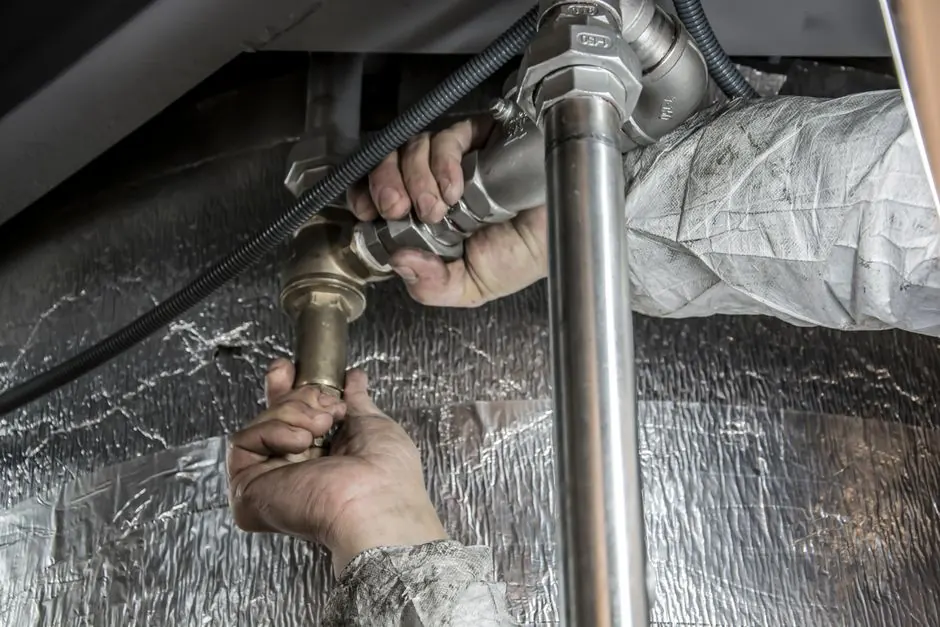
Replacing a toilet flapper in Littleton takes about 20 minutes with a $10 to $25 part, and it stops the running toilet that is quietly adding $60 to $200 a month to your water bill. The flapper is the rubber seal at the bottom of the tank; when it warps, mineralizes, or loses its shape, water leaks past it into the bowl 24 hours a day. Below we walk through the exact steps our technicians use, how to size the right flapper for Front Range water, and the mistakes that turn a 20-minute job into a Saturday afternoon.
Why a running toilet almost always means a bad flapper
A running toilet in Littleton is a flapper problem roughly 8 times out of 10, and the other 2 are usually the fill valve or the flush valve seat. The flapper sits on a machined plastic or brass seat at the bottom of the tank. When you press the handle, the chain lifts the flapper, water rushes into the bowl, and the flapper drops back down to seal. That seal is the whole game.
Rubber does not last forever. In Littleton, where water runs 8 to 12 grains per gallon of hardness out of the tap, the flapper is constantly exposed to calcium and magnesium. Those minerals deposit on the rubber, harden it, and eventually hold it slightly off the seat. You will hear a faint hiss, then a periodic refill every 20 to 40 minutes. That is the tank topping itself off because water is escaping into the bowl.
Toilet flapper replacement in Littleton is the single cheapest fix in residential plumbing. A $12 flapper versus a $180 water bill is not a hard call. If you want the full picture on what causes a toilet to run and how we diagnose it, our team covers it in detail on Running Toilet Repair Littleton CO.
How do I replace a toilet flapper in Littleton?
You replace a toilet flapper in Littleton the same way you do anywhere: shut off the water, drain the tank, unhook the old flapper, match the size and style, clip the new one on, and test the flush. The whole job is 6 steps and one trip to the hardware store.
- Shut off the water. Turn the angle stop behind the toilet clockwise until it stops. Flush the toilet to drain most of the tank.
- Sponge out the rest. A cup or two of water always stays behind. Soak it up with a sponge so you can see the flapper and seat clearly.
- Unhook the old flapper. Squeeze the two rubber ears on the overflow tube and slide the flapper off. Note the chain length and how it attaches to the trip lever.
- Inspect the seat. Run a finger around the flush valve seat. If it feels rough or gritty, you have mineral buildup and the new flapper will not seal either. That is a flush valve issue, not a flapper issue.
- Install the new flapper. Slide the ears onto the overflow tube pegs, hook the chain to the trip lever with about half an inch of slack, and make sure the flapper sits flat on the seat.
- Turn the water back on and test. Let the tank fill, then flush 3 or 4 times. Watch the flapper drop and listen for any hiss after the tank settles.
If the new flapper seals but the tank still refills on its own, the problem is upstream. Our toilet flapper replacement Littleton service covers the flapper, the flush valve seat, and the overflow tube as one job, because replacing one without the others is how you end up back under the tank lid in three months.
What size flapper does my Littleton CO toilet need?
Most Littleton toilets take a 2-inch flapper, but 3-inch flappers are common in newer 1.28 GPF models built after 2010. Pull the old flapper off and measure the diameter of the round rubber seal at its widest point. Two inches means a standard 2-inch flapper; three inches means a 3-inch. Guessing wrong is the number one reason a DIY flapper job fails on the first try.
You also need to match the style. There are three common types:
- Standard rubber flapper - the classic, works on most older tanks.
- Adjustable flapper - has a dial or slide to tune flush volume, useful if your toilet is a 1.6 GPF from the 1990s.
- 3-inch flapper - required on most high-efficiency toilets and any tank with a wide flush valve opening.
If you are not sure what you have, take the old flapper to the store with you. Any hardware counter in Littleton will match it in 30 seconds. If the toilet is older and the flush valve seat is worn, a straight flapper swap will not hold - that is when you want a technician to look at the whole assembly.
Universal vs OEM flappers in Littleton CO
A universal flapper fits most toilets and costs $8 to $15. An OEM flapper is made by your toilet's manufacturer for that exact model and runs $15 to $35. For a 20-year-old toilet with a standard 2-inch flush valve, universal is fine. For a newer Kohler, Toto, or American Standard high-efficiency toilet, OEM is worth the extra money because the flush volume is tuned to that specific flapper.
We see this constantly in newer builds out toward Toilet Repair in Sterling Ranch, where 1.28 GPF toilets are standard and a cheap universal flapper throws off the flush. The toilet still works, but it double-flushes or leaves the bowl streaked. OEM solves it.
If your toilet is from the 1980s or 1990s and has a 3.5 GPF tank, universal all the way. You are not preserving any performance characteristic worth the OEM premium.
The best toilet flapper for hard water in Littleton CO
The best toilet flapper for hard water in Littleton CO is a silicone flapper, not a standard rubber one. Silicone resists mineral buildup and chlorine far better than the black rubber flappers that come stock in most toilets. You will pay $18 to $28 instead of $10, and you will get 5 to 7 years out of it instead of 2 to 3.
Littleton water comes from Denver Water and a mix of local sources, and hardness swings between 7 and 12 grains per gallon depending on the season and your neighborhood. That is squarely in the range where rubber flappers start to stiffen within 18 months. Silicone flappers hold their shape much longer under the same conditions.
A few specifics worth knowing:
- Check the flapper every 12 months. If it feels stiff or has white crust, replace it.
- Never use petroleum jelly or grease on the flapper or seat - it degrades rubber.
- If you have a water softener, your flappers will last noticeably longer.
- Chlorine from municipal treatment also ages rubber; silicone handles both.
If you would rather not think about it again for half a decade, our team installs silicone flappers as standard on every Littleton CO flush valve repair job.
Common mistakes we see on DIY flapper jobs
The most common mistake on a DIY toilet flapper in Littleton is buying the wrong size, and the second most common is leaving too much slack in the chain. Both are easy to avoid once you know what to look for.
Here is what we find when we get called out after a failed DIY attempt:
- Wrong size flapper. A 2-inch flapper on a 3-inch flush valve will never seal. It looks close enough in the package and it is not.
- Chain too long. More than an inch of slack lets the chain get caught under the flapper. The toilet runs constantly and the flapper wears unevenly.
- Chain too short. The flapper never fully lifts, so you get a weak flush and have to hold the handle down.
- Dirty seat. Skipping the wipe-down on the flush valve seat leaves grit that keeps the new flapper from sealing.
- Overtightened tank bolts. If you removed the tank to get better access, over-torquing the bolts cracks the porcelain or crushes the gasket. Hand-tight plus a quarter turn is enough.
- Ignoring the fill valve. If the tank keeps refilling after the flapper seals, the fill valve is the culprit. That is a different part and a different fix.
If you have tried a flapper and the toilet still runs, stop buying parts. The issue is almost certainly the flush valve seat or the fill valve, and both are covered under our toilet fill valve repair Littleton service.
When to call a professional
Call a professional when the flapper swap does not stop the running, when the flush valve seat is rough or cracked, or when the tank itself is leaking at the base. Those are the three situations where a $15 part is not going to solve a $200 problem.
We also get called for flapper replacement when the shut-off valve behind the toilet is frozen. If you cannot turn the angle stop by hand, do not force it with pliers - you will snap the valve and turn a 20-minute job into a same-day emergency. Our team replaces those valves as part of the visit.
Typical 2026 pricing in this area runs $95 to $185 for a flapper and flush valve service call, and $150 to $275 if the shut-off valve or supply line needs replacing at the same time. That includes the parts. Compare that to the $60 to $200 a month a running toilet adds to a Littleton water bill and the math is obvious.
Toilet Repair Pros handles flapper replacement, flush valve repair, and running toilet diagnosis across Littleton and the surrounding foothills communities. We carry silicone flappers on every truck and we test the flush before we leave.
Frequently Asked Questions
How do I replace a toilet flapper in Littleton?
Shut off the angle stop, flush and sponge out the tank, unhook the old flapper from the overflow tube, match the size (usually 2-inch, sometimes 3-inch), clip the new one on with about half an inch of chain slack, then turn the water back on and flush 3 to 4 times to confirm the seal. The job takes about 20 minutes.
What size flapper does my Littleton CO toilet need?
Measure the round rubber seal on the old flapper. Two inches means a standard 2-inch flapper, which fits most toilets built before 2010. Three inches means a 3-inch flapper, common on newer 1.28 GPF high-efficiency toilets. When in doubt, bring the old flapper to the hardware store and match it directly.
Should I call a plumber for flapper replacement in Littleton, Colorado?
Not for a standard flapper swap - that is a legitimate DIY job. Call a plumber if the new flapper does not stop the running, if the flush valve seat is rough or cracked, if the shut-off valve will not turn, or if the tank leaks at the base. Those point to a bigger repair than a $15 part.
How much does flapper replacement cost in Littleton CO?
DIY parts run $8 to $28 depending on whether you choose rubber or silicone. A professional service call in 2026 runs $95 to $185 for flapper and flush valve work, or $150 to $275 if the shut-off valve or supply line is replaced at the same time. Parts are included in those figures.
How long does a toilet flapper last in Littleton?
A standard rubber flapper lasts 2 to 3 years in Littleton's 7 to 12 grain hard water. A silicone flapper lasts 5 to 7 years under the same conditions. Check yours every 12 months - if it feels stiff or has white mineral crust, replace it before it starts running.
Get help with Toilet Repair in Littleton
If your toilet is still running after a flapper swap, or you would rather have it done right the first time, we can be at your door today. Call Toilet Repair Pros at (720) 894-1003 and we will diagnose the running toilet, replace the flapper and flush valve if needed, and test the flush before we leave.